Creating Targeted Video Campaigns: A Guide to Maximizing Engagement and Impact
Key Strategies For Crafting Targeted Video Campaigns
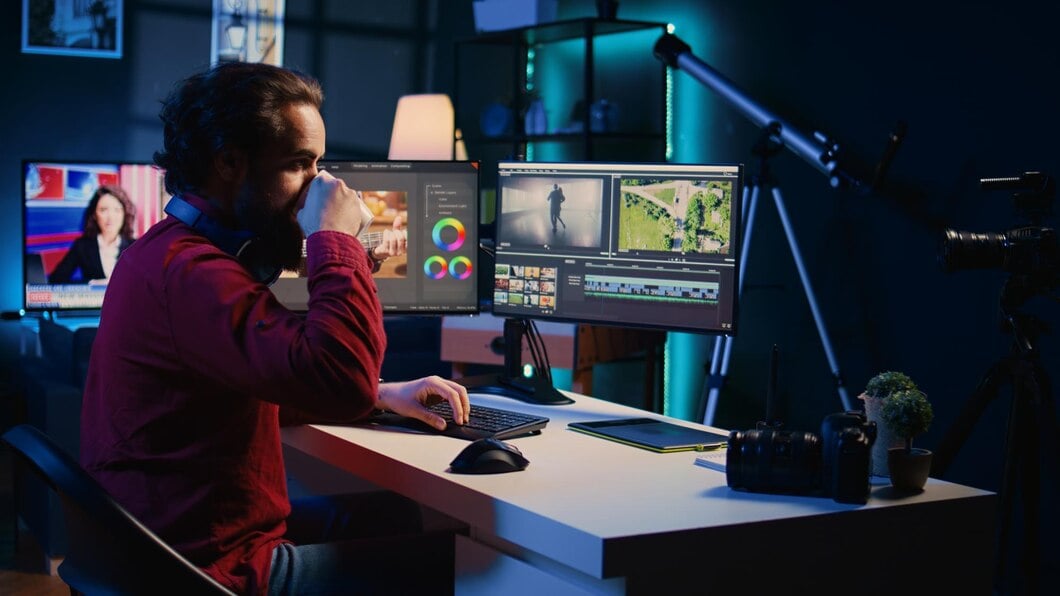

Video content has emerged as one of the most effective tools for reaching and engaging audiences. However, as the online space becomes increasingly saturated, simply producing videos isn’t enough. To stand out and convert viewers into loyal customers, you need to create highly targeted video campaigns that resonate with specific audience segments. By tailoring video content to the unique preferences, behaviors, and needs of each group, marketers can significantly increase engagement and drive desired outcomes. This article explores key strategies for crafting targeted video campaigns, from leveraging customer data to continuously testing and optimizing your content.
Leverage Customer Data for Personalization
One of the most powerful ways to create a targeted video campaign is to use customer data for personalization. With a customer data management platform, marketers can gather and analyze data about their audience in real time. This data includes insights about customer behaviors, demographics, and interests. The ability to segment audiences based on these factors allows for dynamic, real-time adjustments that ensure your video content speaks directly to the customer’s current needs.
For example, if a customer frequently engages with specific product categories on your website, a customer data platform can track this behavior and instantly adjust their customer profile. You can then use this information to deliver personalized video content tailored to their interests. This type of personalization increases the relevance of your videos, making it more likely that viewers will engage, share, and ultimately convert.
Define Clear Objectives and Metrics
Before creating any video content, it’s essential to establish clear objectives for your campaign. Without a defined goal, it’s impossible to measure success or determine whether your video is achieving its desired impact. Are you aiming to raise awareness for a new product, drive conversions, or boost brand loyalty? Each of these objectives requires a different approach and will influence how you craft your video.
Once you’ve defined your goal, establish specific metrics to track campaign success. Key performance indicators (KPIs) such as view counts, click-through rates, or conversion rates can help you determine whether your video is performing well. These metrics not only give you insights into the effectiveness of your campaign but also provide a foundation for future optimization.
Craft Attention-Grabbing Openers
Viewers have shorter attention spans than ever before. To ensure your video makes an impact, it’s crucial to grab your audience’s attention within the first few seconds. Crafting a compelling opening hook is the key to keeping viewers engaged and encouraging them to watch the entire video.
Start by making it clear how the content relates to the viewer’s needs or interests. For instance, if you’re targeting potential customers interested in fitness, your opener might highlight how your product or service can help them achieve their fitness goals. Engaging visuals, strong storytelling, and direct calls to action are also effective ways to pique viewers’ interest. The more captivating your opener, the more likely your audience will stay engaged and absorb the message you’re delivering.
Adapt Content for Multiple Platforms
Different platforms attract different types of audiences, and each platform requires a unique approach to video content. To maximize the impact of your video campaign, customize your videos for the specific platform where they’ll be distributed. This means not only adjusting the video format (such as vertical for Instagram or horizontal for YouTube) but also tailoring the messaging and style to fit the platform’s user base.
For instance, videos shared on social media should be short, visually engaging, and designed to spark immediate interest. On the other hand, videos featured on your website, in an email campaign, or through sms marketing campaign can be longer and more in-depth, providing detailed information about your products or services. By adapting your content for each platform, you ensure that your videos resonate with the unique behaviors and expectations of the audience on that platform, driving higher engagement rates and more meaningful interactions.
Incorporate Retargeting Strategies
Not every viewer who watches your video will take immediate action, and that’s where retargeting strategies come into play. Retargeting allows you to re-engage viewers who have interacted with your video content but didn’t convert. By serving follow-up videos or ads to these viewers, you can continue to nurture leads through the marketing funnel.
If a viewer watches a product demo but doesn’t complete a purchase, for instance, you can retarget them with a follow-up video highlighting customer testimonials or offering a special promotion. Retargeting helps keep your brand top of mind and encourages viewers to take the next step, whether that’s signing up for a newsletter, making a purchase, or scheduling a consultation.
Test and Optimize Continuously
Creating a successful video campaign isn’t a one-time effort—it requires ongoing testing and optimization to ensure your content continues to resonate with your audience. A/B testing is an effective way to experiment with different video elements, such as headlines, visuals, or calls to action, to determine what works best for your audience.
You might test two versions of the same video—one with a humorous tone and one with a more serious approach—to see which generates higher engagement. By analyzing the performance of each version based on real-time data, you can optimize your content for better results. Additionally, continuous optimization allows you to make small adjustments throughout the campaign, ensuring that your videos remain relevant and effective as your audience’s preferences and behaviors change.
In a competitive digital landscape, creating targeted video campaigns is no longer optional—it’s essential for maximizing your marketing impact. By focusing on personalization, defining clear goals, adapting content for different platforms, and continuously optimizing based on real-time data, you can ensure your video content resonates with the right audience at the right time. Implementing these strategies not only boosts engagement and conversions but also builds stronger connections with your audience, setting your brand apart. When executed effectively, targeted video campaigns become a powerful tool to drive business growth and foster lasting customer relationships.
Elevate your brand’s visual storytelling with Shoots.Video, the all-in-one platform that connects you with top-rated video production professionals nationwide.