
Capturing Dubai’s Neon Nights: How to Shoot Dynamic Urban Scenes After Dark
Skyscrapers Glow
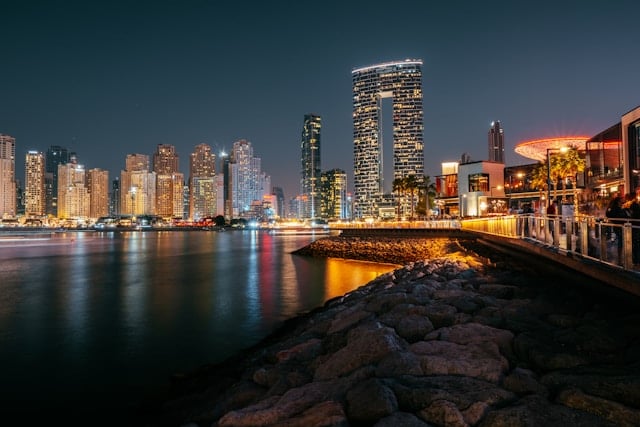

Dubai after sunset transforms into a world of color, movement, and light. Skyscrapers glow, water reflects neon patterns, and streets fill with life. This is where creativity thrives for photographers and videographers who want to shoot dynamic urban scenes after dark. By focusing on angles, settings, and composition, you can create visuals that stand out. So, work with video production specialists to refine your results. Every frame can tell a story when you approach the night with intent. So stay curious, keep your camera ready, and take part in the process rather than staying on the sidelines.
Night Photography and Videography in Dubai
Night work in Dubai offers challenges and rewards in equal measure. Light levels drop quickly after sunset. Artificial light varies across locations. Some areas have warm tones, while others cast cooler hues. This mix can either create depth or cause unwanted distractions if not controlled while you shoot dynamic urban scenes after dark.
The city offers a rare chance to capture strong contrasts. Towering glass buildings, street-level cafes, and glowing signage set the stage for impressive results. Urban life here does not pause, so expect constant movement from people, vehicles, and reflections. By staying alert, you can use these elements to enhance your shots.
Dubai also benefits from clear skies during much of the year. This consistency allows for extended work without constant weather concerns. Photographers can plan sessions with confidence, knowing the light will stay predictable.
Essential Gear for Night Urban Shoots
Your equipment can either help you excel or hold you back. Strong low-light performance matters when shadows dominate your frame. Fast prime lenses let in more light, while zoom lenses with wide apertures give you flexibility.
To keep your shots steady, use tripods or gimbals. A stable base prevents unwanted blur. Carry portable lighting to highlight important details in darker areas. Filters, such as ND or polarizers, can control glare from glass or water surfaces.
When preparing for Dubai’s active nightlife scenes, pack with intention:
- Camera body with high ISO capability
- Lens with f/1.4 or f/1.8 aperture
- Compact tripod for tight spaces
- Portable LED light source
This setup keeps you ready for both still photography and video work without carrying excessive weight.
Camera Settings to Master After Dark
Correct settings make the difference between a dull image and a striking one. Keep your ISO high enough to expose details without introducing too much grain. Wide apertures allow more light, giving you better separation between your subject and background.
Shutter speed control is essential. Fast speeds freeze action. Slower speeds can create trails from moving lights. Balancing these settings requires testing, so change them often until you find the right mix.
Always review your shots on location. This habit lets you adjust immediately and avoid disappointment when you transfer files later.
Shoot Dynamic Urban Scenes After Dark: Iconic Locations in Dubai
Dubai offers a wide range of areas that shine after sunset. Popular attractions remain active late into the evening. Burj Khalifa’s lights shift through different patterns, offering fresh backdrops in minutes. Downtown streets stay lively, giving you endless chances for layered compositions.
Do not skip the waterfront zones. Marina Walk, with its reflections and cafes, delivers balanced light and shadow. The Creek area reveals another side of the city, where traditional boats share space with modern towers.
Interestingly, many of these districts overlap with top spots for young people in Dubai who want to live near energy and convenience. Areas like Downtown Dubai and JBR combine nightlife, dining, and easy access to transport. As a photographer or videographer, living close to such locations means quick access to scenes worth capturing any night of the week.
Exploring these areas at different times changes your results. Early evening shows blue tones in the sky. Later hours bring deeper shadows and stronger artificial light. Each time frame offers distinct creative opportunities, so avoid sticking to just one.
Composition Tips for Dynamic Urban Night Scenes
Strong composition can turn a good shot into a striking one. Use leading lines from roads, railings, or building edges to guide the viewer’s eye. Reflections in water or glass add depth and symmetry.
For balance, place your main subject slightly off-center. This approach creates space for secondary details. Streetlights, signs, and traffic can all frame your subject without clutter.
Try layering elements from foreground to background. A well-placed person in the front can add scale to the towering skyline. Since movement never stops, time your shots to capture interaction between people and the environment.
Motion and Energy
Light trails from cars add texture to still images. To achieve them, use a longer shutter speed while keeping the camera stable. This technique works well on overpasses or busy intersections.
When you want sharp action, increase your shutter speed. Moving pedestrians or cyclists can add a sense of activity without blur. For more control, plan your frame and wait for movement to enter it.
Neon lights and signage offer natural highlights. Use them to draw attention to the subject. Test angles that avoid glare while keeping colors intense.
Storytelling with Night Visuals
Urban night scenes can express emotion as much as they display architecture. A single street musician under a glowing sign can set a mood instantly.
Brands have tapped into this style to create impactful campaigns. By studying corporate video marketing trends, you can see how companies use urban night shots to grab attention. These insights can inspire your own projects.
Even in still images, you can create a sequence that guides the viewer through a scene. Each frame should build on the last, offering a new detail or perspective.
Timing is Everything
Light changes quickly once the sun dips. The blue hour, just after sunset, offers soft contrast between sky and artificial light. As darkness deepens, neon signs and building lights take center stage.
Seasons also influence the feel of a shot. Cooler months bring crisp air and clear skies. Warmer nights may show light haze, which can soften reflections.
In video work, knowing the best time of day to shoot travel videos can shape your success. Early evening captures both natural and artificial light, while late hours highlight city intensity.
You Can Turn Dubai Nights into Visual Masterpieces
Dubai offers endless possibilities when you shoot dynamic urban scenes after dark. Every corner reveals a new play of light, shadow, and motion. By applying composition skills, timing your sessions, and refining your edits, you can achieve results worth sharing. Do not wait for the perfect moment. Head out, try new techniques, and work with different settings.