
The Challenges of Filming in Boston’s Oldest Neighborhoods
Historic Preservation vs. Production Logistics
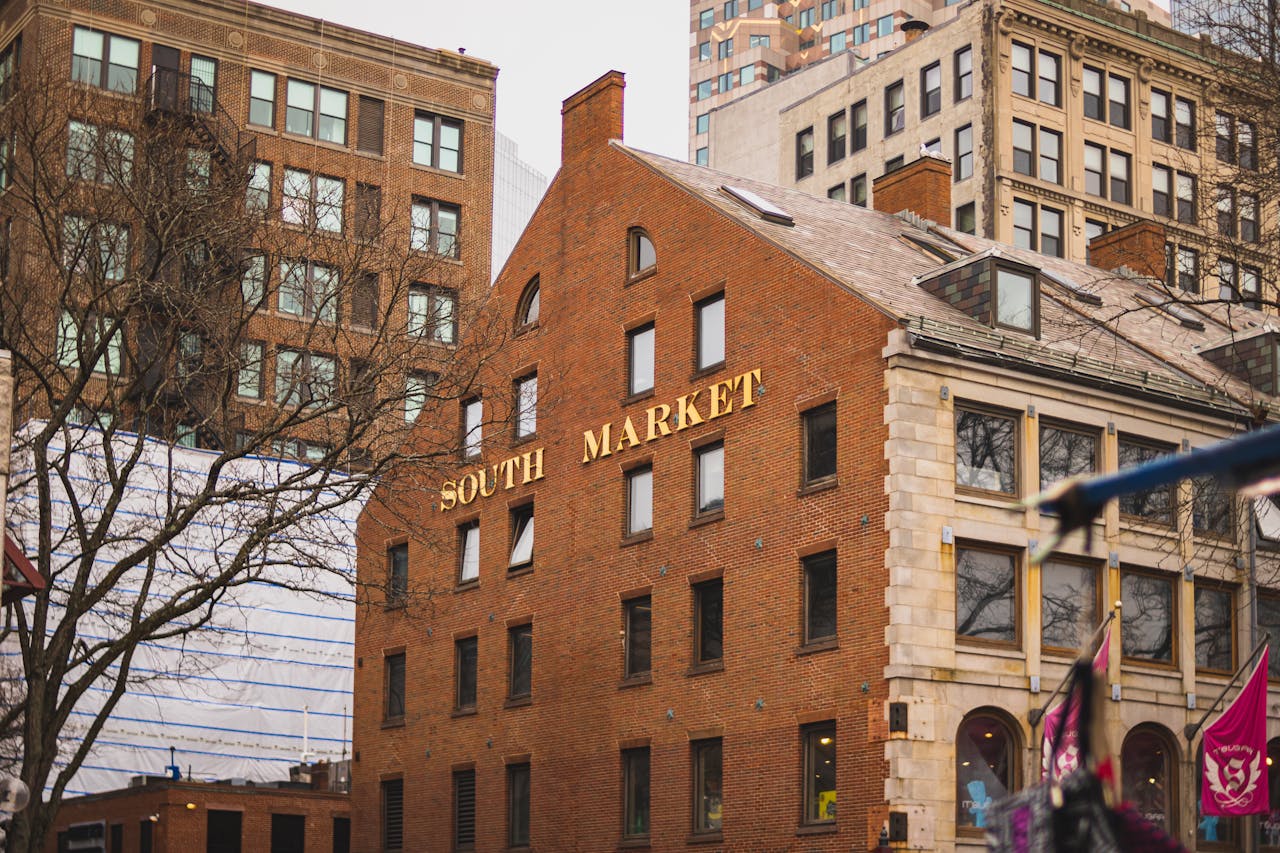

Few American cities offer the cinematic depth, texture, and authenticity found in Boston. Its brick-lined streets, centuries-old architecture, and layered history make it a natural backdrop for period dramas, crime thrillers, and contemporary stories rooted in tradition. Yet, filming in Boston’s oldest neighborhoods is never as simple as placing a camera and calling action. Every production must navigate a delicate balance between preserving historic character and meeting the logistical demands of modern filmmaking. This tension defines the ongoing challenge of using living historic neighborhoods as active production sets.
Boston’s Living History as a Film Asset
Boston’s oldest neighborhoods are not museum pieces frozen in time. They are vibrant communities where people live, work, and raise families within buildings that predate the American Revolution. From narrow alleyways to gas-lit streets, the city offers filmmakers an authenticity that is difficult, if not impossible, to recreate on a soundstage. This living history is precisely what makes filming in Boston’s oldest neighborhoods so attractive to productions seeking realism and emotional depth.
However, that same authenticity also brings limitations. Structures built centuries ago were never designed to support lighting rigs, generators, or large crews. Preserving the integrity of these spaces while allowing creative expression is an ongoing negotiation between city officials, preservationists, residents, and production teams.
Why Filming in Boston’s Oldest Neighborhoods Matters to Storytelling
Historic settings carry emotional weight. A single cobblestone street can communicate heritage, resilience, and continuity without a word of dialogue. Boston’s oldest districts often serve as characters in their own right, shaping tone and atmosphere. Filmmakers are drawn to these neighborhoods because they convey a sense of place that audiences intuitively recognize as real.
Yet storytelling ambitions must adapt to physical reality. Tight streets restrict camera movement. Low-hanging signage and fragile facades limit equipment placement. Every creative decision must respect the environment, forcing directors and cinematographers to rethink traditional production approaches.
Preservation Laws and Their Practical Impact
Boston has strong historic preservation regulations designed to protect its architectural legacy. These rules govern everything from exterior alterations to temporary installations. Film productions must comply with strict guidelines that prevent damage to masonry, woodwork, and other original materials.
While these regulations can slow down planning, they serve a vital purpose. Without them, the cumulative impact of repeated filming could permanently alter historic streetscapes. Productions are often required to use non-invasive mounting techniques, protective barriers, and constant oversight to ensure that filming leaves no trace once crews depart.
The Complexity of Permitting in Historic Districts
Securing filming permits in Boston’s oldest neighborhoods involves more than standard municipal approval. Historic commissions, neighborhood associations, and sometimes individual property owners all have a voice in the process. Each stakeholder brings valid concerns, from structural safety to quality of life.
This layered approval system requires patience and clear communication. Productions that invest time in explaining their vision and logistical needs often find greater cooperation. Those who rush the process may face delays, restrictions, or outright denial, regardless of budget or prestige.
Infrastructure Limitations and Modern Production Needs
Modern film productions rely on power, connectivity, and mobility. Historic neighborhoods often lack the infrastructure to support these needs without creative solutions. Limited electrical capacity means generators must be placed carefully to avoid vibration damage. Narrow streets complicate vehicle access and equipment transport.
Crew size is another challenge. Large productions accustomed to sprawling studio lots must downscale when working in historic areas. This forces efficiency but also encourages innovation, pushing filmmakers to do more with less while maintaining production quality.
Community Life and Daily Disruption
Unlike purpose-built film locations, Boston’s oldest neighborhoods are active residential areas. Filming inevitably disrupts daily routines, from parking restrictions to temporary street closures. Residents may tolerate occasional inconvenience, but repeated disruptions can strain relationships.
Successful productions prioritize transparency and respect. Clear schedules, noise management, and ongoing dialogue help build goodwill. When residents feel heard and valued, they are more likely to support filming, even when it temporarily alters their environment.
Choosing the Right Locations Within the City
Not all historic neighborhoods in Boston present the same logistical demands for production teams. During location scouting, crews quickly narrow their focus to the most suitable areas that can accommodate equipment access, staging needs, and permit requirements without disrupting daily activity. Across Boston, some districts feature wider streets, accessible loading zones, and zoning policies that better support temporary production setups. Conversations often turn to the best neighborhoods in Boston, such as Back Bay, South End, and Beacon Hill, where architectural character and practical infrastructure align to support efficient and visually compelling shoots.
Case Studies from Boston’s Oldest Districts
Areas like Beacon Hill, North End, and Charlestown illustrate the spectrum of challenges and opportunities. Beacon Hill’s narrow streets and gas lamps offer unparalleled charm but leave little room for equipment. The North End’s dense residential fabric requires careful coordination with local businesses and residents. Charlestown’s historic sites demand heightened preservation oversight but reward productions with iconic visuals.
Each neighborhood requires a tailored approach. There is no universal filming strategy, only adaptable frameworks shaped by location-specific realities.
The Role of Technology in Reducing Impact
Advancements in filming technology have eased some logistical pressures. Smaller cameras, battery-powered lighting, and digital effects reduce the need for intrusive setups. Drones, when permitted, can capture sweeping shots without ground-level disruption.
These tools allow productions to respect historic environments while still achieving ambitious visuals. Technology does not eliminate challenges, but it provides alternatives that align preservation goals with creative intent.
Economic Benefits Versus Cultural Responsibility
Film and television productions bring economic benefits to Boston, including job creation, tourism exposure, and local spending. Historic neighborhoods often see increased interest after appearing on screen, reinforcing their cultural significance.
However, economic gain must never come at the expense of heritage. Preservation ensures that these neighborhoods remain intact for future generations, both as living communities and as storytelling spaces. Responsible filmmaking recognizes that cultural stewardship is as important as commercial success.
Collaboration as the Key to Balance
The most successful filming experiences in Boston’s oldest neighborhoods emerge from collaboration. City officials, preservationists, residents, and filmmakers all share a stake in the outcome. When these groups work together, challenges become manageable rather than obstructive.
Open communication fosters creative problem-solving. Limitations become parameters that inspire thoughtful design rather than obstacles that stall progress. Collaboration transforms tension into trust.
Respect, Patience, and Adaptability
Filming in Boston’s oldest neighborhoods is a study in balance. The city’s historic character offers unparalleled cinematic value, but it demands respect, patience, and adaptability. Preservation and production logistics are not opposing forces; they are interdependent priorities that shape responsible storytelling. When filmmakers embrace the constraints of history rather than resisting them, they create work that honors the past while engaging the present. In doing so, Boston remains both a living city and a timeless stage, ready to tell stories for generations to come.