
The Hidden Architecture of Storytelling: Why Sound Design Shapes What We Feel
Professional Sound Designs
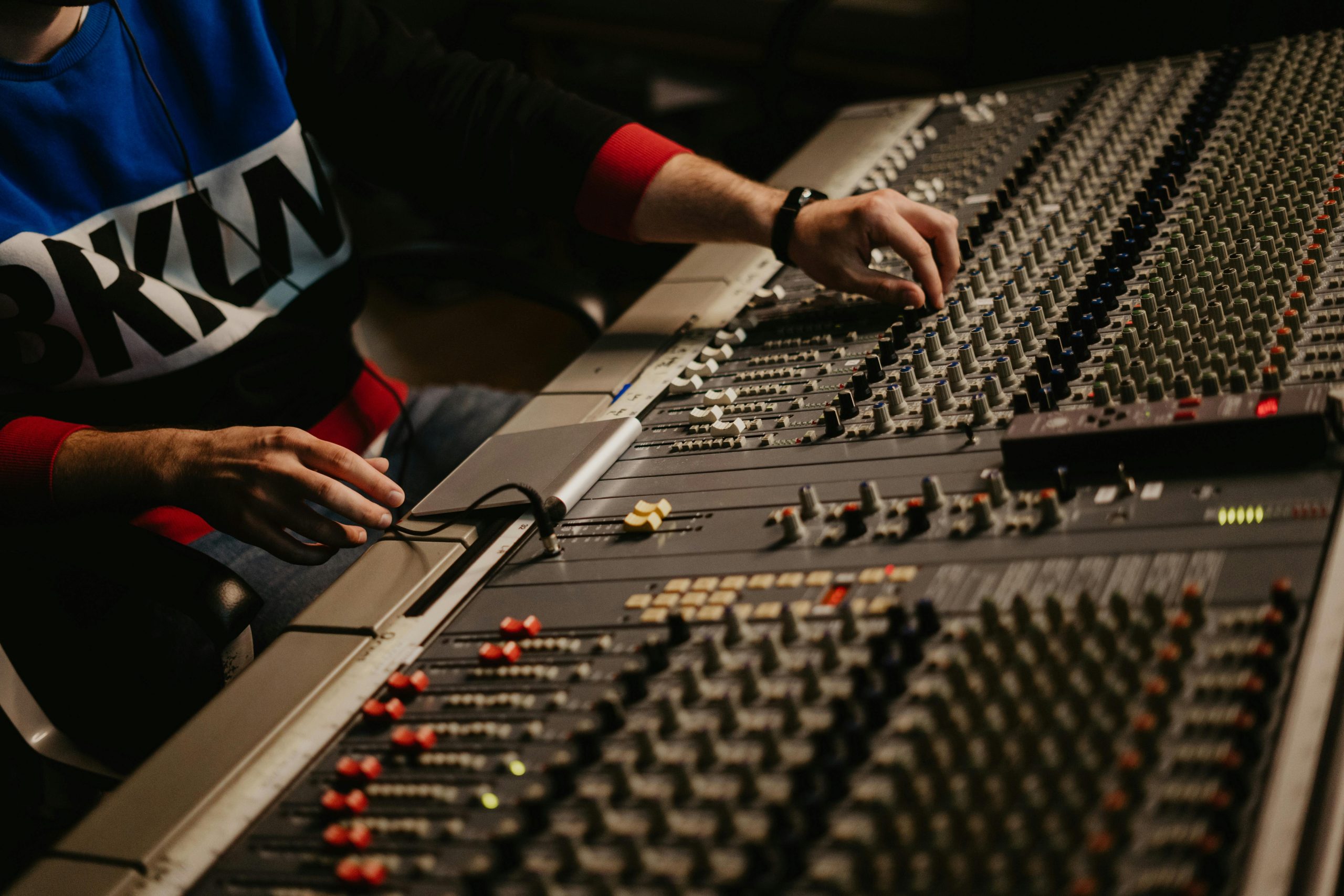

Image by: Pexels
Storytelling isn’t confined to what you see on screen. Long before the eye processes a shot, the ear shapes how that moment feels. Professional sound design works as the invisible hand guiding our emotions, pulling us deeper into the story world. Done well, it can make you forget you’re watching a film at all. Done poorly, it can break immersion instantly. Music, dialogue, and sound effects together create a sensory map that not only complements the visuals but transforms them into something profoundly human.
Emotional Power of Sound
Every story has an emotional heartbeat, and sound is often the instrument that makes it audible. A quiet room with faint creaking can feel more frightening than an elaborate special effect. A sudden swell of orchestral strings can make a simple glance across a room feel monumental. Thoughtful sound design immerses you in the story’s emotional core, amplifying the stakes of each moment. This isn’t about loudness or complexity; it’s about choosing the right texture to match the intent. A whisper, a pause, or even the absence of sound can be just as powerful as a climactic score.
Music’s Narrative Resonance
Music often acts as the subconscious narrator of a story. Without a word spoken, it can make joy feel euphoric, sadness unbearable, and tension almost too much to sit through. Composers design themes that tether us emotionally to characters and moments, reminding us what’s at risk as the story unfolds. In many cases, music bypasses spoken narrative entirely, telling us what a character cannot admit or what visuals cannot show. A single recurring motif can grow into a character’s unspoken truth, evolving alongside their journey and deepening our connection to their struggles.
Precision Through Audio Editing
Professional sound design doesn’t end with recording; it comes alive in the editing room. Skilled editors balance dialogue levels so every word is clear, smooth out unwanted background noise, and carefully weave music and effects so they reinforce the scene rather than compete with it. Each adjustment shapes the emotional contour of the story, ensuring audiences feel tension, relief, or intimacy at the right moments. Video editors turn to advanced tools for editing video and audio to polish every detail, from subtle fades to complex sound layering. The result is a soundtrack that feels seamless, drawing viewers deeper into the narrative world without calling attention to itself.
Dialogue, Effects, and Ambience Synergy
Film is not just about what is said, but how those words live within the world. Dialogue carries story and character, but it rarely exists alone. To resonate, it needs support from other auditory layers. A heated argument becomes more unsettling when underscored by low rumbling tones. A romantic exchange feels more intimate when the background narrows to subtle sounds like breathing or rustling fabric. These choices show how blending dialogue sound effects and music creates a holistic atmosphere. Each layer may seem small on its own, but together they form a sturdy sonic scaffolding.
Foley: Beyond On-Set Audio
What audiences hear is rarely what microphones captured on set. Much of the texture of film sound is crafted afterward, often by Foley artists. These specialists recreate footsteps, clothing rustles, doors creaking, and countless other details that root a scene in reality. Without them, even the most polished visuals can feel strangely hollow. Foley breathes action to life after shooting, filling in the subtle cues that make a fictional world believable. Each step, crunch, or scrape is performed and recorded with painstaking precision to match the rhythm of the story.
Subtle Structures in Animated Soundscapes
Animation strips away natural audio entirely, making sound design its backbone. Nothing exists until it is built. Every squeak, breeze, or echo is designed from scratch, crafted to fit the timing and mood of each frame. Unlike live-action film, where sound can lean on the physical world, animation requires inventing a new one altogether. In this medium, sound design constructs an emotional landscape in animation, often becoming the invisible architecture that guides how we interpret color, motion, and expression. The squeal of tires in a chase or the faint chime of magic can define the tone of an entire scene.
Tension, Mood, and Immersive Narrative
Sound is often the element that takes a film from watchable to unforgettable. It generates tension in horror by using silence as a weapon. It builds suspense in thrillers by teasing us with auditory fragments just before the reveal. And it breathes life into dramas by pulling us so close to the characters that we hear their vulnerability in every sigh. Carefully designed audio sound elevates mood and narrative immersion, ensuring the viewer feels not just what characters do, but what they cannot say aloud. This power makes sound design one of the most transformative elements in the storyteller’s toolkit.
Behind every unforgettable story lies a layer of craft most audiences never notice but always feel. Professional sound design is more than microphones on a set; it is a deliberate, detail-rich process that shapes how we perceive and experience narrative. By weaving together music, dialogue, effects, and silence, sound designers guide our emotions, heighten tension, and give voice to the unspoken. In a medium where image often gets all the credit, it is sound that completes the picture, reminding us that stories are not only seen — they are heard, and more importantly, they are felt.
Discover the art of storytelling with Blare Media, where creativity meets innovation to bring your unique vision to life through captivating video production.