
How Philadelphias Rowhouse Architecture Creates Natural Production Value for Indie Filmmakers
Filmmakers should eagerly scout these remarkable residential locations to find the absolute perfect setting for their next big production.
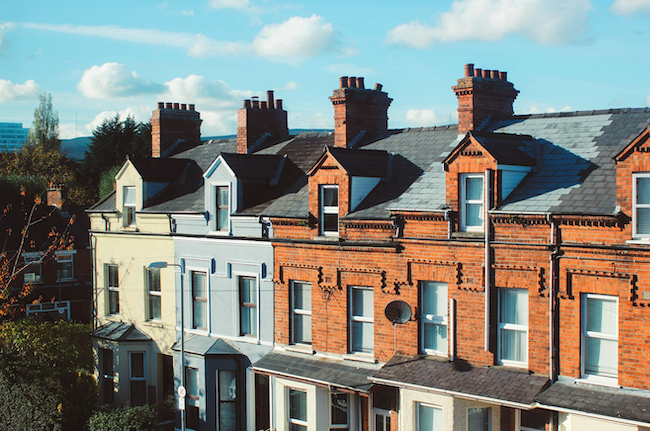

How Philadelphia’s Rowhouse Architecture Creates Natural Production Value for Indie Filmmakers
Philadelphia possesses a distinctly gritty, historic, and visually arresting cinematic landscape that immediately captivates audiences. For independent filmmakers working with constrained budgets, this vibrant city offers a compelling alternative to the notoriously expensive coastal production hubs of New York or Los Angeles. The secret to this cinematic appeal lies deeply embedded in the residential streets. Specifically, the iconic Philadelphia rowhouse architecture serves as much more than just a charming backdrop to the neighborhood.
Instead, it functions as a built-in production asset that actively enhances visual storytelling. These historic attached homes offer raw character, highly unique lighting opportunities, and practical budgetary advantages for scrappy indie film crews looking to maximize every single dollar.
Navigating the Narrow: Production Logistics on a Grid
Bringing a full film production into a densely packed historic neighborhood presents immediate logistical realities that require careful planning. The very charm of these tight, one-way streets quickly becomes a formidable puzzle when attempting to park standard grip trucks or unload heavy camera equipment. Transporting bulky C-stands, specialized lighting rigs, and elaborate set dressings through remarkably narrow hallways or up steep, winding historical staircases demands precise physical coordination.
In fact, many successful independent film crews learn their most valuable logistical strategies directly from the local residential moving industry. Professionals handling daily residential relocations know how to navigate tight corners without causing structural damage. When coordinating complex gear drop-offs, production managers often realize that partnering up with locals and hiring local movers in Philadelphia is an invaluable hack for safely transporting delicate items into confined spaces. These seasoned experts utilize specialized dollies, protective padding, and strategic lifting techniques specifically designed for narrow doorways.
Understanding these specialized logistical constraints early in pre-production allows the crew to adapt their entire workflow. Instead of fighting the physical limitations of the location, the camera department learns to pack lighter, utilizing modular gear that fits seamlessly within the space. Working within the parameters of traditional rowhouse architecture forces a creative efficiency that ultimately benefits the shooting schedule, proving that logistical hurdles often inspire the most innovative on-set problem-solving techniques.
The Cinematic Shotgun Layout: Lighting Depth and Texture
The internal floor plans of these attached homes strictly dictate cinematography and framing decisions. The classic deep, narrow layout fundamentally creates a natural visual depth of field that directors love. Because windows are typically only located at the absolute front and extreme rear of the building, light falloff becomes a defining visual characteristic of the shoot.
Cinematographers must manage the strong, direct natural sunlight streaming through the front bay windows while simultaneously navigating the progressively darker, moodier shadows found in the central rooms of the property. This dramatic contrast organically shapes the emotional tone of a scene without requiring expensive artificial lighting setups — great for a first project. Furthermore, utilizing the built-in textures of these environments serves as completely free production design for the art department.
The authentic rowhouse architecture frequently features exposed brick party walls, original hardwood flooring, and beautifully aged plaster that cannot be easily replicated on a soundstage. These inherent visual elements provide immediate tactile realism to the frame. By strategically placing actors within the naturally occurring gradients of light spanning from the bright front parlor back towards the dimly lit kitchen, directors can visually represent a character’s internal psychological shift.
Embracing these unique architectural quirks allows filmmakers to construct complex, layered compositions. The resulting imagery feels intimately connected to the city itself, transforming a simple residential dwelling into a dynamic, compelling character within the broader narrative structure of the independent film project.
Acoustic Authenticity: Capturing the Sound of the Block
Beyond the compelling visual aesthetics, the specific audio characteristics associated with filming inside attached housing present both fascinating challenges and distinct creative rewards. The unavoidable reality of sharing physical walls with neighbors means that capturing an absolutely pristine, silent room tone is virtually impossible.
Sound mixers must continuously deploy the right equipment and creative techniques for gently dampening unwanted modern noises resonating throughout these significantly older homes. However, fighting against this ambient urban soundscape is usually a mistake. Instead, recording the muffled, distant sounds of the active neighborhood helps establish a profoundly lived-in atmosphere.
The faint hum of street traffic, the distant wail of emergency sirens, or the indistinct chatter from adjacent porches all contribute heavily to the auditory texture of the movie. The acoustic reality of rowhouse architecture forces sound designers to embrace the genuine sonic pulse of Philadelphia, ensuring that the final audio mix feels just as authentic and localized as the beautiful cinematography presented on the screen.
The Stoop as a Stage: Free Exterior Set Design
Maximizing the prominent exterior building elements provides massive visual advantages for any storytelling process. The deeply entrenched cultural significance of the classic front stoop operates perfectly as a completely natural, highly realistic gathering place for fictional characters to interact.
This specific geographical feature instantly anchors scenes in reality. Additionally, the remarkable diversity of localized block facades, which brilliantly showcase contrasting red brick, textured formstone, and vastly varying historical cornices, allows agile camera crews to easily capture multiple distinctly different exterior establishing shots without ever executing a costly company relocation. Ultimately, these stunning exterior building features offer extraordinarily high background production value for complicated walking dialogue sequences, requiring absolutely zero additional exterior set dressing.
Wrapping Up
By thoroughly leaning into the unique geographical textures of the city, independent producers successfully elevate the visual depth, the auditory realism, and the overall narrative quality of their artistic projects.
Ultimately, carefully utilizing the rich historical details naturally found inside Philadelphia rowhouse architecture effortlessly transforms a standard budget-restricted movie into a truly vibrant, visually spectacular cinematic experience. Filmmakers should eagerly scout these remarkable residential locations to find the absolute perfect setting for their next big production.