How to Use AI to Improve Your Digital Marketing Campaigns
Is it worth to ty?
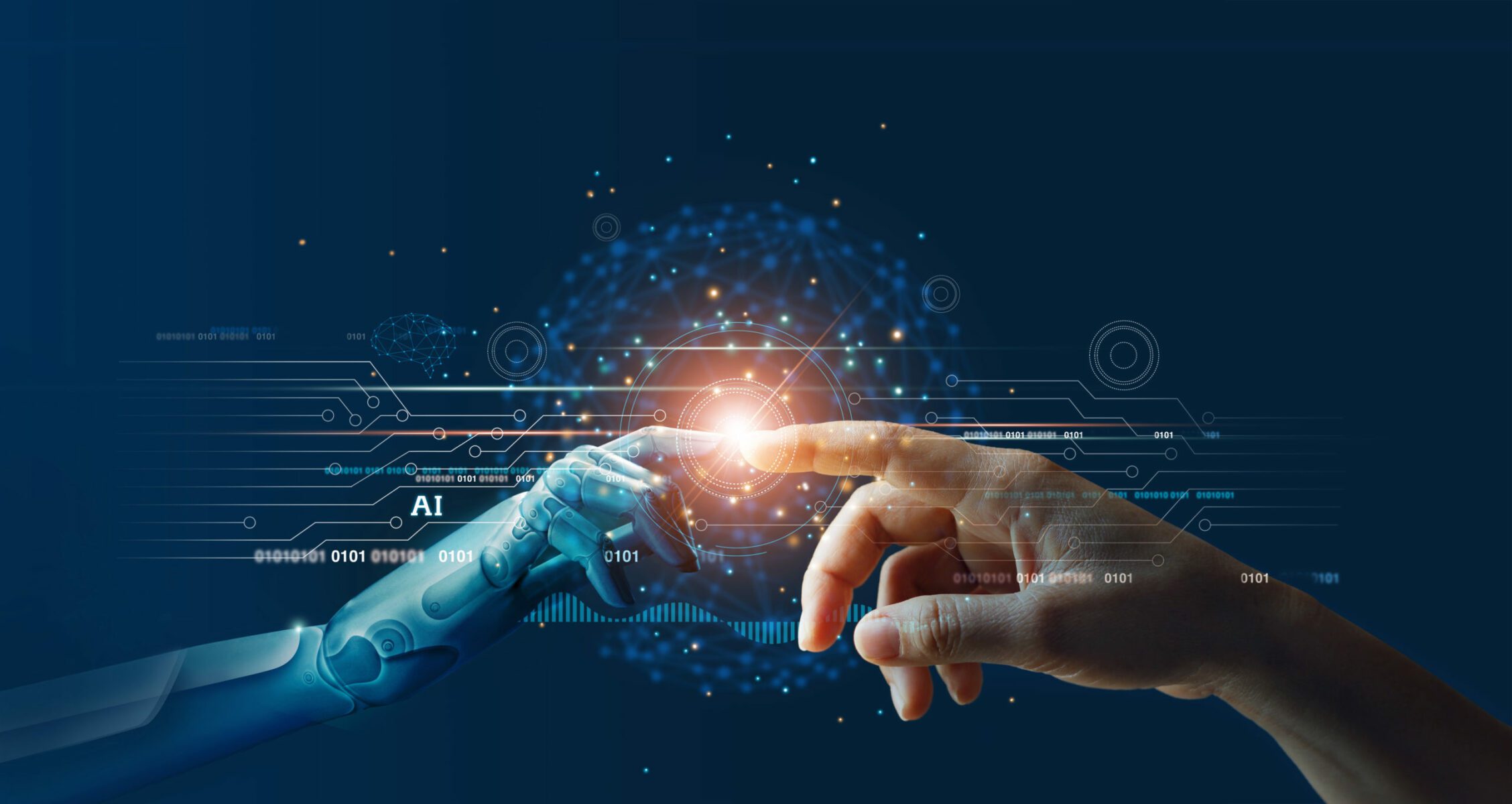

Algorithms have become the gatekeepers of engagement and AI is no longer just the future of digital marketing. Both are here and now. Whether you’re looking to predict customer behavior, create hyper-personalized content, or automate tasks that used to eat up your team’s precious hours, AI is the ultimate co-pilot for your campaigns.
But let’s be honest: the idea of integrating AI can sound as intimidating as deciphering tax codes. Don’t worry. This guide will break it down and show you how to use AI like a pro so you can take your digital marketing campaigns to the next level.
#1. Gain More Audience Insights
If knowing your audience is half the battle, AI is your secret weapon. Tools like predictive analytics and AI-driven data platforms can sift through mountains of data to uncover trends, preferences, and behaviors that humans might miss.
Want to know which demographics are bingeing your Instagram posts at 3 AM or how many clicks your email campaigns are missing out on? AI delivers the who, what, when, and why of your audience with lightning speed. Use these insights to create tailored campaigns that resonate on a personal level. After all, nobody loves generic and same-old content.
#2. Automate Your Marketing Tasks
AI excels at taking repetitive tasks off your plate, allowing you to focus on strategy and creativity. From scheduling social media posts to segmenting email lists, AI-powered tools can handle the heavy lifting.
Platforms like HubSpot, Marketo, and Mailchimp use AI to optimize send times, personalize messages, and even predict which campaigns will perform best. Automating these processes can help you save time, reduce human error, and ensure that your marketing runs smoothly, even when you’re juggling multiple projects.
#3. Improve Customer Engagement with AI Chatbots
AI chatbots have revolutionized customer interaction, providing instant, 24/7 support that keeps your audience engaged and satisfied. These bots can answer FAQs, recommend products, and even guide users through purchasing. You can do all of this while maintaining a conversational tone that feels natural and helpful.
Tools like Intercom and Drift allow you to program chatbots to handle common queries, freeing up your team for more complex tasks. When you integrate AI chatbots into your digital marketing strategy, you can improve response times, boost customer satisfaction, and create a seamless user experience.
#4. Data-Driven Decision Making
Making informed decisions is key to effective digital marketing, and AI provides the insights needed to guide your strategy. AI tools can analyze customer data, track campaign performance, and predict future trends based on real-time information.
Identifying patterns and trends in your data helps you make smarter choices about where to allocate resources, which channels to prioritize, and which strategies are yielding the best results.
For example, if you’re a video production agency like videos.id, you can use AI tools to analyze audience engagement metrics, such as view durations and click-through rates, to determine which types of videos resonate most with your target audience. This data can help you refine your creative strategies, optimize distribution channels, and allocate resources to high-performing content formats.
This data-driven approach not only increases the efficiency of your campaigns but also ensures that you’re continuously optimizing your marketing efforts for maximum impact.
#5. Personalize Your Campaigns with AI
Personalization is one of the most powerful ways to connect with your audience, and AI can take it to the next level. Analyzing customer behavior, preferences, and past interactions makes it much easier for you to deliver highly tailored content and offers at just the right time.
Whether it’s sending personalized email recommendations, customizing website experiences, or retargeting ads based on browsing history, AI ensures your messages are relevant and engaging.
When you use AI at this level of personalization, you can improve customer satisfaction– which also translates to increased conversion rates, as people are more likely to engage with content that speaks directly to their needs and interests.
#6. Optimize Ad Campaigns
AI can take your advertising efforts from good to great by optimizing ad targeting, bidding, and creative strategies. Tools like Google Ads and Facebook’s AI-powered advertising platform use machine learning to analyze vast amounts of data and identify the best-performing ads.
This means your ads are shown to the right people at the right time, maximizing your ROI. AI also helps fine-tune your ad copy and visuals by testing different variations and selecting the ones that drive the most engagement. With AI, you can ensure that every dollar spent on advertising works harder for you, reaching the ideal audience with laser precision.
#7. Improve Overall SEO
AI can revolutionize your SEO strategy by offering insights and optimizations that enhance your search engine rankings. Tools like Clearscope, Surfer SEO, and SEMrush use AI to analyze search intent, suggest high-performing keywords, and even evaluate content gaps. AI can help you understand what topics are trending and how to structure your content for maximum visibility.
Beyond just keywords, AI-powered SEO tools can optimize your site’s technical aspects (e.g., improving load times and enhancing user experience) to make sure that you meet Google’s ranking criteria.
Wrapping Up
As we embrace the power of AI in digital marketing, it’s essential to remember that AI is meant to be a tool, not a replacement for human creativity and judgment.
While AI can streamline processes and offer valuable insights, it’s still prone to mistakes and can sometimes produce repetitive or copycat content that lacks the nuance and originality that only a human touch can provide.
Ethical and responsible use of AI means recognizing its limitations and ensuring it complements, rather than replaces, the human elements of strategy and storytelling.