
How VHS-Style Filming Makes Modern Documentary Work Feel More Intimate
VHS comeback
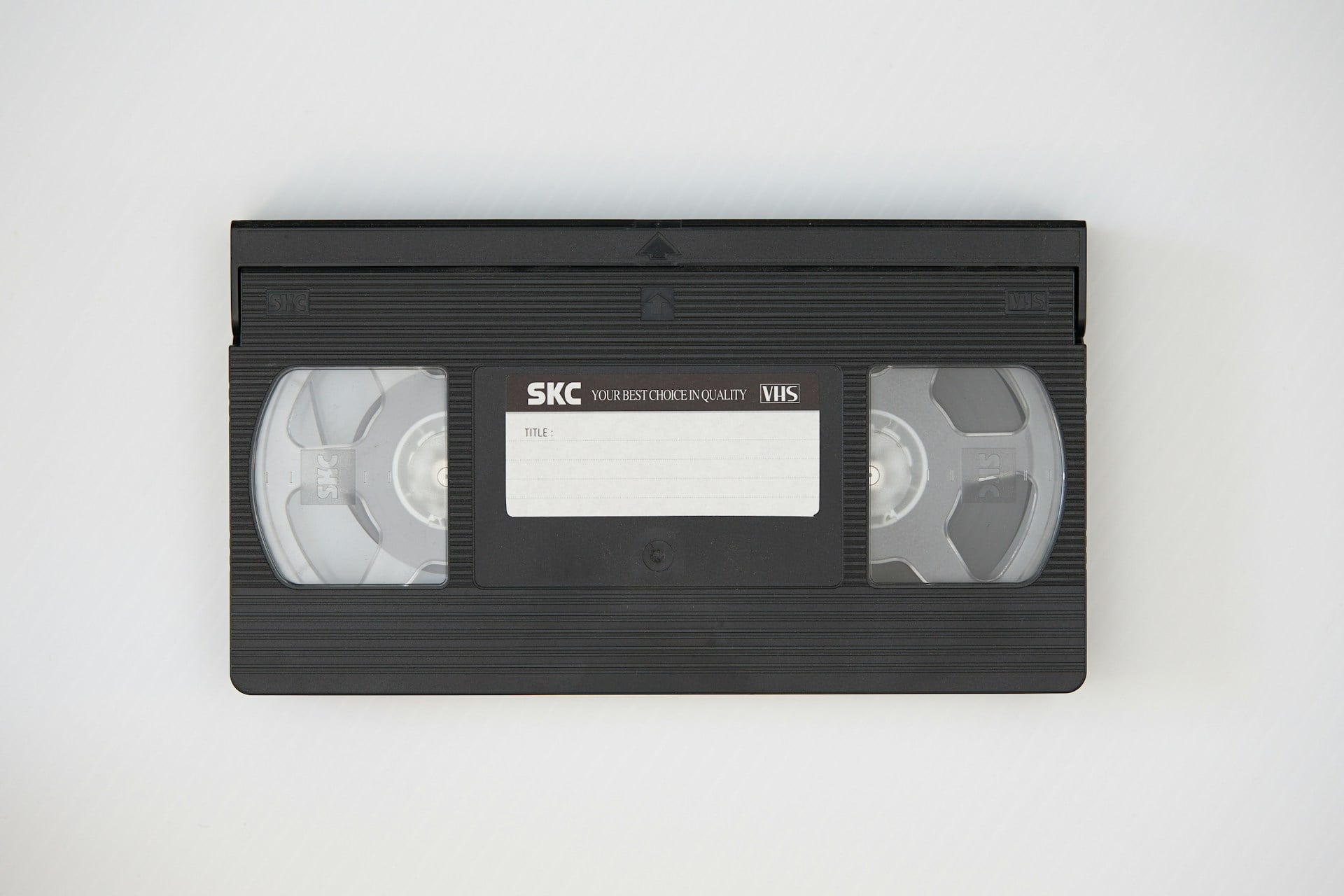

There’s something unique about VHS tapes that makes them hit so close to home. The colors wobble, the background audio breathes too loudly. Someone stood too close to the subject; someone forgot to zoom out. In fewer words: it’s domestic. VHS-style filming begins with this same principle: record first, evaluate later, and if the focus was soft, that’s where the story lives now. Modern documentaries that borrow from this technique carry something special in their bones. They’re free to feel imperfect. Directors don’t have to insist on clarity, and viewers enter the picture not as observers but as people expected to already know the room. That kind of invitation can’t be faked with filters. It has to be recorded directly into the plastic.
Still Taping in 2025
VHS camcorders haven’t vanished. They rest in cabinets beside old karaoke machines and family DVDs burned way back in 2008. People post them on message boards with one blurry photo (never tested, no charger). But some of them do work (and even include a charger). In 2025, you can still get a functioning RCA CC437 with shoulder strap intact, or a Canon ES2000 with the playback buttons worn flat.
If you’re searching for the best camcorder for your needs, vintage camcorders still available in 2025 are sometimes the ones someone else mistakenly thought were broken. These machines were designed to survive car trunks and wedding receptions. They did. Many still do. They power on, they eject slowly, they play back with a faint motorized sigh. You will need Hi8 tapes or full-sized VHS cassettes, depending on the model, and a screwdriver to convince the battery to stay attached. But when they run, they’ll record what you point them at, with no overlays, no filters, no white balance that adjusts automatically.
A Format That Forgives Everything
The home movie is full of pauses, half-finished gestures, people walking into frame without knowing what’s being filmed. There’s no pose, no frame to break. Even arguments recorded by accident become part of the archive. The person holding the camera isn’t thought of as a filmmaker, but as a brother, a neighbor, an ex-boyfriend, a friend. When VHS texture appears in documentary work, something changes in how the viewer listens. You expect to hear hesitation. You wait for someone to interrupt.
Second-Wave Suburbia Learned How to Record Itself
In the 1970s and beyond, American households welcomed home recording gear with no instruction manual required. These were machines that captured people standing too far from the cake. Birthdays lasted seventy-three minutes. Piano recitals turned into footage of empty seats and forgotten tripods. And yet, the resulting images felt private in a way that survived time.
The colors faded toward amber. Children yelled. Someone pressed the wrong button and taped over prom. It didn’t matter. The act of recording didn’t care about perfection or production. The tapes didn’t always get labeled. Most sat in drawers for twenty years. This is exactly the nostalgia-inducing atmosphere that VHS-style filming brings back into documentary.
Real Enough to Be Studied
The Blair Witch Project used two cameras. One was Hi8, the other 16mm. What mattered wasn’t the format but how the footage moved. There were no clear establishing shots. Characters filmed themselves breathing into the eerie dark. They argued without looking at the lens. People trusted the shakiness and believed it meant something true had occurred, which led to the rise of shaky, candid camera styles in the early 2000s.
When a viewer sees grain and instability, they suddenly stop assuming fiction. Even mockumentaries that use VHS-style filming find this tension – footage that implies it wasn’t meant for them. Documentaries adopt this logic not because they want to recreate horror, but because they understand that shakiness, blur, and gaps in continuity build a different kind of access. People speak differently when the camera doesn’t blink.
Grain Holds Space Where Explanation Doesn’t Fit
Noise in the image makes room for something else to happen. You can’t see every detail. You’re forced to stay with the shape of the moment. No one corrects the lighting. Faces fall into shadow and stay there in a digital file, which would probably be edited out. But in analog formats, the darkness is there to stay. Documentaries that allow for grain allow for doubt; they let the moment continue without solving itself. Viewers enter this uncertainty and stay, even if clarity never comes. And in that space, something personal begins. People begin to fill in what they can’t quite see.
Editing Without Intention Becomes a Kind of Decision
Experienced video editors who use this format are faced with the option to clean everything up or to leave the mess intact. And when they leave it, they create something specific. A subject walks into frame before being introduced, or a child coughs through an answer, or a train passes outside, louder than the voice of the characters inside the scene. These moments form the subtle rhythm of trust. A timeline without transitions tells you this was recorded by a person, not produced by a system. The editing becomes an extension of the camera, not a correction to it.
No Performance, Only Proximity
Subjects behave differently when they believe the footage might not matter. A person filmed with a VHS camcorder doesn’t try so hard to perform. They simply wait for the battery to die. They forget the camera is on. Their posture slumps. Their words get smaller. The silence stretches longer than it should. When modern documentarians borrow this method, they gain access to a layer beneath presentation. Someone looking off-camera. Someone is staying quiet for four minutes. None of this gets trimmed. The frame stays wide. The scene continues until it ends on its own.
And No Polish
VHS-style filming matters for modern documentaries because it refuses correction. The camera records the room as it was, not as it was meant to look. Filmmakers give their subjects room to remain exactly as they are, even during recording. The story becomes something that wasn’t rehearsed and didn’t need to be explained.