
Mastering Natural Light: Photography Tips for Stunning Shots While Traveling in New York City
Mastering Natural Light: NYC Photography Tips
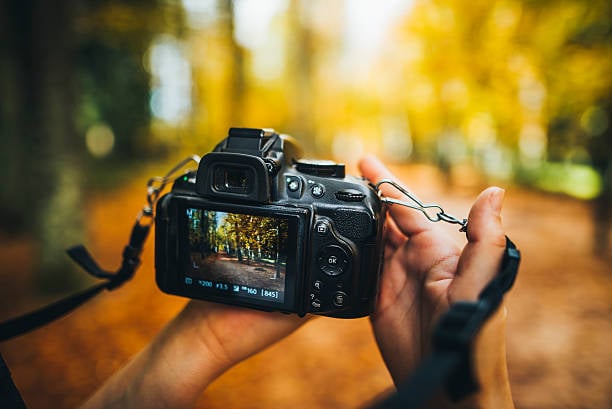


 New York City is a photographer’s paradise—packed with iconic landmarks, vibrant street scenes, and jaw-dropping architecture. Whether you’re visiting for the first time or you’re a seasoned traveler, mastering natural light can elevate your photos to the next level. The interplay of light and shadow, especially in such a dynamic city, can create stunning and dramatic shots.
In this article, we’ll explore how to harness natural light for the best results while traveling in New York City, from the golden hours to urban landscapes.
1. Understand the Golden Hour
The “golden hour,” which occurs during the first hour after sunrise and the last hour before sunset, is renowned for its warm, soft light that flatters both subjects and surroundings. New York City, with its towering skyscrapers and open spaces like Central Park, offers some of the best opportunities for golden hour shots.
Tips for the Golden Hour:
- Arrive early or stay late: The lighting changes rapidly during the golden hour, so you’ll need to be ready.
- Consider the skyline: The light casts beautiful shadows against New York’s famous skyscrapers. Capture wide shots to highlight both the buildings and the soft glow.
- Reflective surfaces: Ponds in Central Park, glass buildings, and even puddles can reflect the golden hues, adding layers to your photos.
2. Take Advantage of City Shadows
New York City is filled with towering buildings, which can create interesting patterns of light and shadow, especially during midday. Instead of avoiding shadows, use them to your advantage. Shadows can add depth and intrigue to your photographs, especially in urban environments.
Tips for Working with Shadows:
- Play with geometry: Use the city’s architecture to frame your subjects. The shadows cast by buildings can create striking contrasts in your photos.
- Capture textures: Streets, walls, and sidewalks often feature intricate textures. Light and shadow interplay can bring these surfaces to life.
- Look for interesting compositions: Experiment with framing your subject against the shadows of tall buildings, crosswalks, or street furniture.
3. Use Reflections to Enhance Your Photos
New York is home to plenty of reflective surfaces, from puddles on the street to large glass buildings. Using these reflections is a fantastic way to add dimension and interest to your images.
Tips for Capturing Reflections:
- Shoot during cloudy weather: Overcast days provide a soft, even light that minimizes harsh reflections, making them more manageable.
- Look for clean puddles: After a rainstorm, puddles on the ground can reflect iconic buildings or street art, creating a visually compelling image.
- Window reflections: Look for interesting moments reflected in storefront windows or subway entrances.
4. Embrace Overcast Days
Not every day in New York is bathed in sunlight, but cloudy or overcast days provide an opportunity for some of the most flattering lighting you can get. The soft, diffused light minimizes harsh shadows and highlights, allowing you to focus more on the composition and subject matter.
Tips for Overcast Conditions:
- Focus on details: Overcast days are perfect for shooting smaller details like street art, textures, or architectural features. The gentle light will bring out all the fine elements.
- Street photography: The even light helps capture the nuances of street life without strong shadows. Aim for intimate portraits of passersby, especially in bustling areas like SoHo or Greenwich Village.
- Long exposure shots: Overcast skies are ideal for experimenting with longer exposures, especially in spots like Times Square or near water bodies such as the Brooklyn Bridge Park.
5. Use the City’s Natural Elements
New York City offers a variety of natural settings that can enhance your photos, especially when combined with natural light. Central Park, for example, provides trees, lakes, and wide open spaces where the light can change dramatically throughout the day.
Tips for Using Natural Elements:
- Golden hour in parks: During golden hour, capture how the light filters through the trees in Central Park, highlighting the textures of the bark or the reflective surface of the Bow Bridge.
- Waterfront shots: Whether you’re at Battery Park, Brooklyn Bridge Park, or along the Hudson River, waterfront areas offer beautiful lighting as the sun reflects off the water.
- Autumn and spring colors: If you’re visiting during the fall or spring, the natural colors of the season will add even more dimension to your photos, making the light warmer in autumn and cooler in spring.
6. Capture the Vibrancy of New York Streets
One of the best ways to capture the essence of New York City is to photograph the street scenes and people, and natural light plays a huge role in these dynamic moments. As you walk through the neighborhoods, consider how the light enhances the mood and energy of the streets.
Tips for Street Photography with Natural Light:
- Shoot during the “magic hour”: Not just for landscapes, but also for capturing candid moments. People look stunning bathed in the soft golden light of the late afternoon.
- Look for reflections in windows: Not just for landscapes, but street scenes can look extraordinary when captured in windows—reflecting the people, the skyline, and the movement of the city.
- Use contrasting light: Pay attention to how sunlight creates contrast between the bright sidewalk and darker alleyways, which can add drama to your street shots.
7. Be Prepared to Adjust for the Changing Light
New York’s light changes quickly, especially as the seasons shift. It’s essential to stay flexible and adjust your settings to get the best results.
Tips for Adapting to Changing Light:
- Learn to read light: Whether you’re shooting in the early morning or late afternoon, always observe how the light interacts with your subject and surroundings. The quality and direction of light can drastically change the mood of your photo.
- Carry a lens hood or reflector: New York’s bright midday sun can sometimes be harsh. A lens hood will help protect against lens flare, and a reflector can bounce light back onto your subject for even lighting.
- Adjust ISO and aperture: The key to mastering natural light is understanding your camera’s settings. Be ready to adjust ISO, aperture, and shutter speed to accommodate fast-changing light conditions.
Final Thoughts
Mastering natural light is crucial for capturing the true essence of New York City. Whether you’re shooting in the early morning glow, the bustling streets under harsh midday sun, or the golden hues of sunset, the city offers endless opportunities to create stunning photographs. By understanding how light works in the urban environment and adapting to the changing conditions, you can take breathtaking shots that showcase the unique beauty of New York City.
Happy shooting, and may your photos capture the vibrant energy of the city in its natural light!