
Why Short Videos Rule the Internet Now?
How Short Videos Are Reshaping Digital Marketing
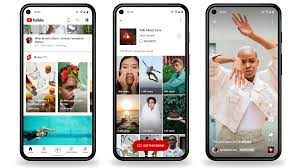

The digital landscape has undergone a dramatic transformation in recent years, with short-form video content emerging as the undisputed champion of online engagement. From TikTok and Instagram Reels to YouTube Shorts, these bite-sized pieces of content have fundamentally changed how we consume, create, and share information online. Understanding why short videos dominate today’s internet requires examining consumption patterns, technological shifts, and the evolving nature of digital communication.
The Numbers Tell a Compelling Story
The statistics surrounding short-form video are nothing short of staggering. Video content is projected to account for 82% of all global internet traffic by 2025, with short-form content claiming the largest share of that consumption. More impressively, short-form video content will claim approximately 90% share of internet traffic by 2025, signaling an unprecedented shift in how people engage with online media.
The engagement metrics are equally remarkable. Short-form videos generate 2.5 times more engagement than long-form videos, demonstrating their superior ability to capture and maintain viewer attention. This heightened engagement translates directly into viewer behavior, with 60% of short-form videos watched for 41% to 80% of their length, retention rates that traditional long-form content struggles to achieve.
From a business perspective, the financial trajectory is clear. Short-form video ads will generate over $99.4 billion in revenue by the end of 2024, while projections show ad spending reaching $111.01 billion in 2025, growing at an annual rate of 9.14%. These figures underscore not just popularity but genuine commercial viability.
Why Short Videos Resonate With Modern Audiences
The dominance of short-form content isn’t arbitrary. It reflects fundamental changes in how people consume information in an increasingly fast-paced world. Much like how a reliable generator set provides immediate power when needed, short videos deliver instant value without requiring significant time investment.
- Attention Span Evolution:
Today’s audiences have adapted to rapid information processing. People want their questions answered, their curiosity satisfied, and their entertainment delivered efficiently. Short videos excel at meeting these expectations, providing complete narratives or valuable insights within 15 to 60 seconds.
- Mobile-First Consumption:
With smartphone penetration reaching unprecedented levels globally, content consumption has shifted dramatically toward mobile devices. Short videos are optimized for this reality, loading quickly, playing seamlessly, and fitting perfectly within the vertical screen format that mobile users prefer.
- Platform Algorithm Preferences:
Social media platforms have recognized user preferences and adjusted their algorithms accordingly. TikTok content recorded an average of 18,173 views during the first quarter of 2024, making it the most engaging platform for short-form content, followed by Instagram Reels with 16,152 average views. These platforms actively promote short-form content, creating a virtuous cycle of creation and consumption.
The Business Case for Short-Form Video
For businesses across industries, short-form video has become an essential tool rather than an optional experiment. 73% of consumers prefer short-form videos to search for products or services, making this format crucial for customer acquisition and engagement.
Professional services have particularly benefited from this shift. Consider wealth management firms, which traditionally relied on in-person consultations and lengthy documentation. Today, these firms increasingly use short videos to explain complex financial concepts, market updates, and investment strategies in accessible formats. A 45-second video explaining portfolio diversification can reach thousands of potential clients, breaking down barriers that once made wealth management seem intimidating or inaccessible.
The return on investment is compelling. 71% of video marketers believe short-form videos provide the highest ROI, compared to just 22% for long-form videos. This superior performance explains why 26% of marketers plan to invest more in short-form video content, representing the highest investment in any content format.
Platform Dominance and User Behavior
Different platforms have carved out distinct niches within the short-form video ecosystem. TikTok pioneered the format and remains a powerhouse, with adults in the United States spending an estimated 58.4 hours monthly on the platform. Instagram Reels has emerged as a strong competitor, with Reels driving 49% higher engagement than other post types on the platform.
YouTube Shorts, while entering the market later, has shown remarkable growth. Daily views grew from 30 billion in 2021 to 90 billion in 2024, demonstrating explosive audience adoption. Each platform serves different audiences and purposes, giving creators and businesses multiple avenues to reach their target demographics.
The demographic reach is particularly noteworthy. 57% of Gen Z prefer short videos to learn about products and services, making this format essential for reaching younger audiences who will drive consumption patterns for decades to come.
The Democratization of Content Creation
One of short-form video’s most revolutionary aspects is how it has democratized content creation. Unlike traditional video production, which requires expensive equipment and extensive technical knowledge, anyone with a smartphone can now create compelling content. This accessibility has unleashed creativity from unexpected sources.
Small businesses, in particular, have benefited enormously. A local restaurant can showcase daily specials, a boutique can demonstrate styling tips, and even industrial businesses can highlight their operations. Whether explaining how a generator set operates or providing behind-the-scenes glimpses of manufacturing processes, businesses of all types can connect with audiences through authentic, engaging content.
Content Strategy in the Short-Form Era
Success with short-form video requires strategic thinking beyond simply creating shorter content. 66% of marketers consider short-form content as the most engaging format, but engagement requires understanding what makes these videos work.
- Immediate Value Delivery: The first three seconds determine whether viewers continue watching. Successful short videos hook attention immediately, whether through provocative questions, striking visuals, or surprising statements.
- Authenticity Over Production Value: While production quality matters, audiences increasingly value authenticity. Overly polished content can feel inauthentic, whereas genuine, personality-driven videos build stronger connections with viewers.
- Platform-Specific Optimization: Each platform has distinct cultures, algorithms, and best practices. Content that performs well on TikTok may need adaptation for Instagram Reels or YouTube Shorts. Understanding these nuances separates successful campaigns from wasted effort.
The Viral Potential Factor
Virality remains one of short-form video’s most attractive characteristics. 47% of marketers say short-form videos are more likely to go viral compared to other content formats. This viral potential offers unprecedented opportunities for rapid brand growth, though achieving virality requires more than luck.
Viral videos typically share common elements: they’re emotionally resonant, easily shareable, and often tap into current trends or challenges. The algorithmic nature of social platforms means that even creators with small followings can achieve massive reach if their content resonates strongly with initial viewers.
Future Trajectory and Emerging Trends
The short-form video revolution shows no signs of slowing. In 2025, U.S. adults are projected to spend an average of 48 minutes per day on short-form video platforms, jumping to 57 minutes daily by 2028. This continued growth will drive further platform innovation and content evolution.
Several emerging trends are shaping the future. Live commerce, where viewers can purchase products directly during livestream events, is gaining traction. Educational microlearning, delivering compact lessons in 2-5 minute segments, is revolutionizing how people acquire new skills. Interactive elements, allowing viewers to make choices or explore content non-linearly, are pushing the boundaries of what short-form video can accomplish.
Challenges and Considerations
Despite its dominance, short-form video presents challenges. The constant demand for fresh content can lead to creator burnout. The emphasis on virality sometimes prioritizes entertainment over substance. Measuring genuine business impact beyond vanity metrics like views and likes requires sophisticated analytics.
Additionally, the rapid consumption of short-form content raises questions about attention span impacts and information retention. While these videos excel at initial engagement, businesses must consider how to convert that engagement into deeper relationships and tangible outcomes.
Conclusion
Short videos rule the internet because they perfectly align with how modern audiences consume information. They deliver value efficiently, leverage mobile-first consumption patterns, and provide unprecedented engagement opportunities for creators and businesses alike. The statistics confirm what many have experienced firsthand: short-form video isn’t just a trend but a fundamental shift in digital communication.
For businesses, ignoring this format means missing opportunities to connect with audiences where they already spend their time. Whether explaining complex financial concepts in wealth management or demonstrating industrial equipment functionality, short-form video provides tools for reaching audiences in meaningful, engaging ways.
As technology evolves and platforms innovate, short-form video will continue adapting and expanding. Those who master this format now position themselves for success in an increasingly video-dominated digital landscape. The question isn’t whether to embrace short-form video, but how quickly you can integrate it effectively into your content strategy.