
The Best Time of Day to Shoot Travel Videos for Perfect Lighting
Master the art of travel videography by using natural light at different times of day, from golden hour to nighttime, for cinematic and vibrant footage.
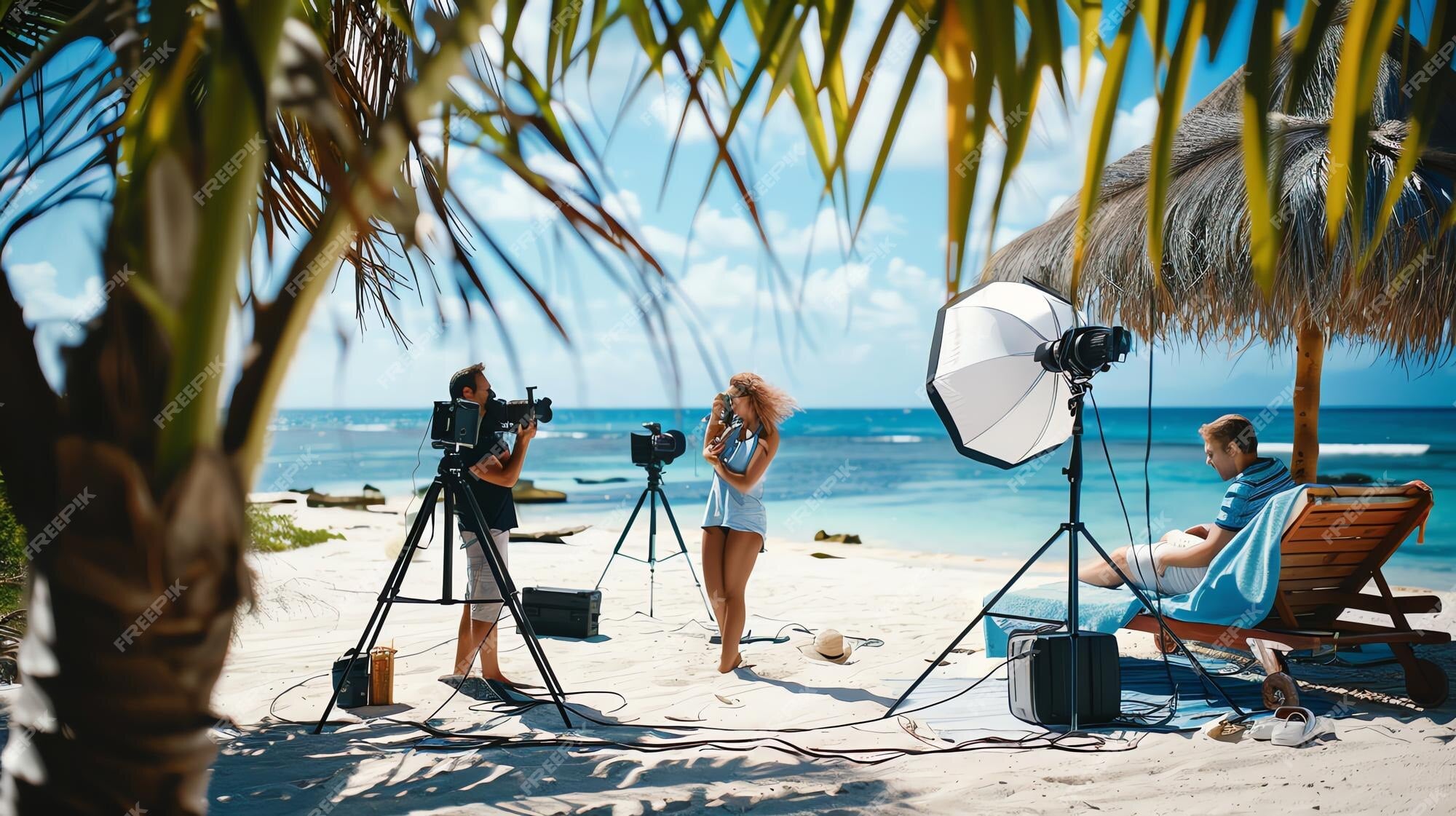

Lighting is one of the major factors in getting high-quality travel videos. Natural light not only provides dimension and atmosphere, but it also helps to make your footage look better. Though present-day cameras have great features to capture low light cameras, the power of properly timed natural light remains unparalleled. So, when is the time of day when flawless travel video lighting can be done? Let’s delve into the different times of the day and see what they have for travel videography.

1. The Golden Hour: The Ideal Time for Cinematic Shots
The golden hour is a period of time right after sunrise and before sunset. This moment of time is the most preferred by photographers and videographers as the sunlight is soft, warm, and flattering at that time. The sun is positioned low in the sky at this time, which then leads to the production of long shadows and diffused light, hence a cinematic effect is created for landscape and people shots alike.
Why the Golden Hour is Best:
- Warm, Soft Light: The light of the sun during this hour is a golden color which makes the videos very beautiful and romantic.
- Long Shadows: The overlapping shadows are the reasons for the seeming 3D of both the landscape and playing ground.
- Flattering Skin Tones: Gentle light besides decreasing the shadow intensity and tonal contrast also makes the skin to appear more balanced and gentle.
Nonetheless, the golden hour is a short period and it rarely lasts more than an hour, but you have to check the season and your location to find out the exact duration. So, it is essential to be prepared and to be on the spot at the right time to capture this moment.
2. The Blue Hour: A Dreamy and Calm Aesthetic
The blue hour is a time of day when the light is very soft and the sky is a deep blue color, which is just before sunrise and after sunset when the sun is below the horizon. This time of day is not only different in terms of light but also gives a more moody feel which is ideal for capturing peaceful and contemplative scenes.
Why the Blue Hour is Effective:
- Soft, Cool Tones: The Blue Hour combines natural light with cool tones to produce a tranquil, dusky mood. This golden hour of the day is perfect for landscapes, cityscapes, or reflections on the water.
- No Harsh Shadows: The indirect nature of the sunlight means that there are no harsh, unflattering shadows in the image, so the lighting is even and soft throughout the entire scene.
- Ideal for Night Transitions: The photo is an excellent representation of the night transition when the moon is still visiting and the city is shining bright with its contrived lights. It is a great time to capture these moments when the daylight disappears.
However the blue hour brings softer light, still using a tripod or a camera with good low-light performance is necessary as the dimming light can cause motion blur in case of wrong camera settings.
3. Midday Sun: A Challenge Worth Embracing
Midday is not a popular time among videographers for shooting, yet the good footage can be taken, if you know how to deal with the light conditions. This is the moment when the sun is at the zenith, thus, very bright and high-contrast, which makes it difficult for both landscapes and portraits.
Midday video shooting tips:
- Apply Shade: The filming done in shaded regions will get the light diffused and softened the shadows sufficient enough to capture balanced footage.
- Use Reflective Surfaces: Aqua or sandy surfaces, or even buildings with light-colored paint can reflect sunlight and the sun will help you fill in the shadows of your subject.
- Use ND Filters: The Neutral Density (ND) filters are capable of cutting down the strength of sunlight, thus avoiding overexposed footage and giving you control over your camera settings.
If you’re shooting vibrant outdoor locations like beaches or markets, the midday sun can be an actual advantage since it can enhance the colors and bring out all the vibrant details in your scene. Nonetheless, it is necessary to look for shaded areas when shooting portraits to prevent the appearance of harsh shadows on faces.
4. Overcast Days: Soft and Diffused Light All Day
Overcast days may not sound the most likely weather for video shoots, but the actuality is that it can provide the most even and constantly scattered lighting. The clouds serve as a massive diffuser so to speak, they take the light from the sun and distribute it evenly across the sky eliminating the shadows.
Advantages of Overcast Conditions:
- Even Lighting: The lack of direct sunlight results in soft, consistent light that’s ideal for both landscapes and close-ups.
- Extended Shooting Time: Without the rush of the golden hour or harsh midday light, you can shoot throughout the day without worrying about rapidly changing lighting conditions.
- Neutral Mood: In a sunny day, the light from the sun can make everything look colorful and joyful. On the contrary, overcast skies can create a dramatic or calm atmosphere to your footage depending on the mood you want your audience to be in.
This lighting is very suitable especially for portrait shooting and architectural scenes, where you want to have even light without bright differences in between.
5. Nighttime: Capturing Vibrant Nightlife
The bright sunlight lending natural illumination makes for easier shooting, however, the night scene, brings about the feeling of a different kind of story from your travel videos. The city streets are now crowded with electric signs, streetlights, and headlights of vehicles making an interesting field for you to explore the footage.
Key Tips for Nighttime Filming:
- Tripod Use: To avoid camera shake, especially in low-light conditions, the tripod is an indispensable tool for steady shots.
- Increase ISO Only When Necessary: Boosting the ISO allows your camera to gather more light, but it might also cause grain or noise to appear in your video.
- Exploit Natural Lights Available: Utilize the light sources in the environment such as street lights, shop windows, or even car headlights to light up your subjects.
Night is always the most opportune time for shooting actually as it can represent the lively cityscape of a location after sunset, the well-known monuments of a location in a different color, or the nightlife of a location in the entire colorful panorama.
Conclusion
Travel that is perfectly lit and exquisite timeout shooting when you want to achieve the specific look and feel you have in mind. The golden hour bathes the landscape in warm, gentle light, which is suitable for cinematic shots of the countryside. On the other hand, the blue hour produces moody, peaceful lighting, which is perfect for cityscapes and nature shots. If you’re willing to embrace the challenges of midday or overcast conditions, you can still capture striking footage with the right techniques. The night is a great time to film urban life and the lively energy the city has. Knowing how to handle natural light will be the key to getting some exceptional travel videos at any time of the day.