
Combating On-Set Fatigue: Hydration and Nutrition Strategies for High-Intensity Shoot Days
Building an Effective Hydration Plan for Video Shoots
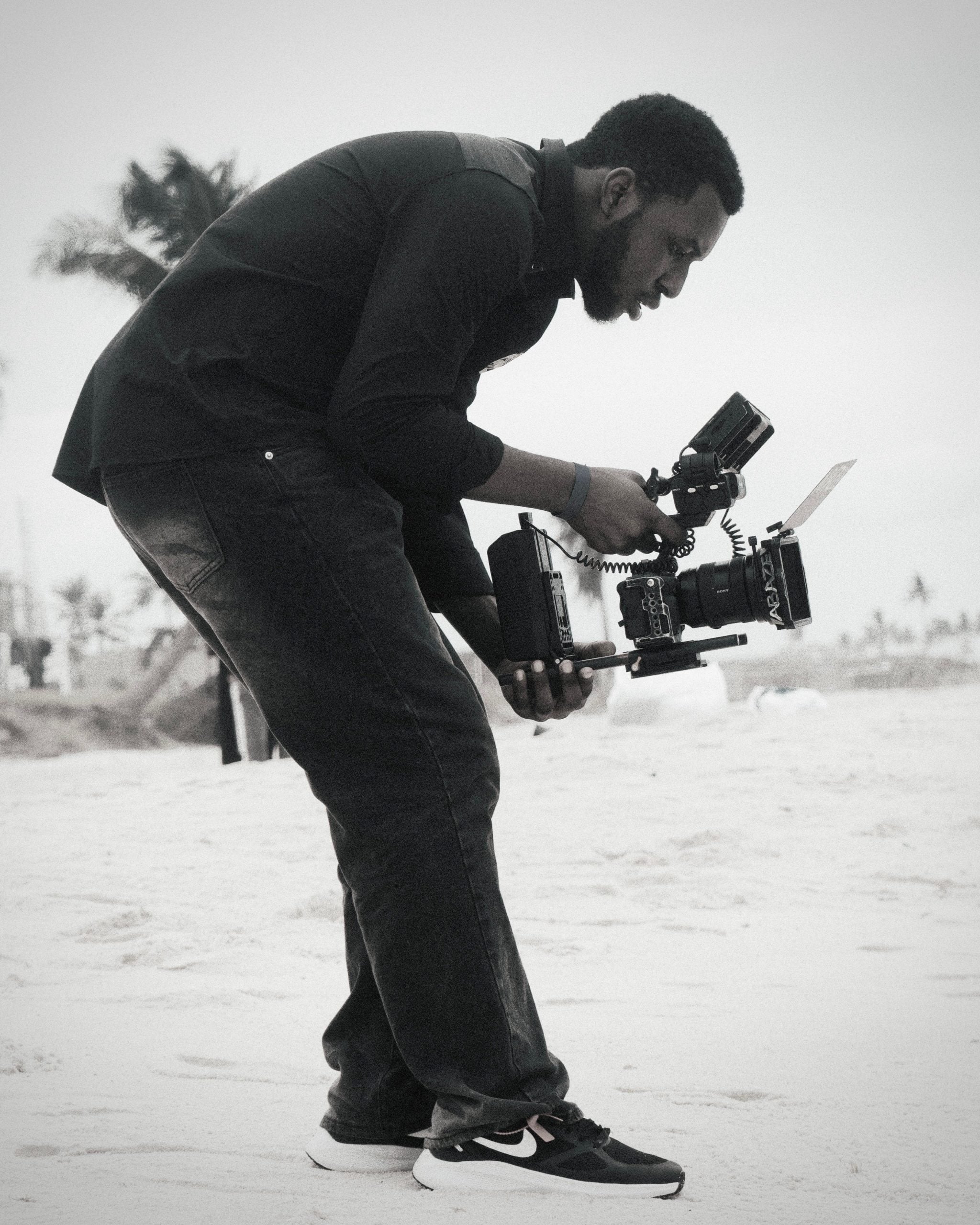

Behind every stunning cinematic shot, smooth camera movement, and perfectly executed scene is a crew working under demanding physical conditions. Long 12-hour shifts, heavy gear, tight schedules, and changing weather conditions make camera operation and production work as physically taxing as an endurance sport.
Without proper care, physical exhaustion quickly sets in. Tackling on-set fatigue in videography isn’t just about grabbing an extra cup of coffee at craft services—it requires intentional planning around fueling your body. Prioritizing health and wellness for film crews is essential to maintaining high creative energy, sharp focus, and safety on set.
Here is a practical guide to production day nutrition and film crew hydration strategies designed to keep you performing at your best from call time to wrap.
The Hidden Cost of Fatigue on Set
Operating a camera, managing lighting rigs, or directing a fast-paced set demands sharp cognitive processing and physical endurance. When physical reserves drain, reaction times slow down, creative problem-solving declines, and the risk of equipment mishandling or injury increases.
Learning how to stay energized during 12-hour video shoots comes down to controlling two critical factors: hydration and blood sugar stability.
1. Smart Hydration: Beyond Just Drinking Water

Dehydration is one of the quickest ways to trigger mental fog and physical sluggishness. Recognizing dehydration symptoms during film shoots—such as mild headaches, dry mouth, reduced concentration, or sudden irritability—is crucial before severe fatigue sets in.
Building a Hydration Plan for Outdoor Video Shooting
When shooting on location under direct sun or extreme weather, water alone often isn’t enough. Heavy sweating strips the body of vital electrolytes like sodium, potassium, and magnesium.
- Pre-Hydrate: Start drinking water 1 to 2 hours before your call time rather than playing catch-up mid-day.
- Replenish Electrolytes: Incorporate electrolyte tablets or coconut water during outdoor or high-intensity shoots to support fluid absorption and muscular function. Reviewing essential hydration tips can help establish a baseline routine for high-output days.
- Track Intake: Keep a refillable, insulated water bottle near your gear station or tool belt to ensure steady consumption throughout the day.
2. Production Day Nutrition: Fueling for Sustained Energy
Relying on sugary snacks, pastries, and endless energy drinks leads to rapid blood sugar spikes followed by severe afternoon crashes. Effective energy management on long shoot days requires nutrient-dense whole foods that provide slow-releasing fuel.
What to Look for at Craft Services
- Complex Carbohydrates: Choose oats, quinoa, whole grains, or sweet potatoes over refined white flour. Complex carbs break down slowly, offering steady energy over hours.
- Lean Proteins: Foods like eggs, chicken, turkey, tofu, or Greek yogurt build a solid foundation that keeps you satiated.
- Healthy Fats: Avocados, nuts, seeds, and olive oil support brain function and delay hunger during long setups.
Building a consistent approach around a balanced daily nutrition guide ensures your body stays resilient, even through unpredictable shoot schedules.
3. Best Healthy Snacks for Video Production Crews

When you only have a 5-minute break between setups, quick and portable nutrition is key. Keeping the right options on hand is essential for preventing burnout and fatigue on camera set.
Top quick-fuel options include:
- Raw Almonds & Walnuts: High in healthy fats and protein for sustained brain power.
- Fresh Fruit with Nut Butter: Apples or bananas paired with peanut/almond butter give a quick boost supported by healthy fats.
- Beef or Turkey Jerky: High-protein, non-perishable, and easy to keep in a camera bag or utility pouch.
- Hummus & Vegetable Sticks: Provides fiber, complex carbs, and hydration without causing heaviness or lethargy.
4. Maintaining Focus and Preventing Burnout
Beyond food and water, maintaining focus during long camera shoots involves deliberate pacing and recovery habits:
- Strategic Caffeine Use: Limit high caffeine intake to the early hours of the shoot. Consuming heavy caffeine past mid-day can ruin post-shoot recovery sleep.
- Micro-Stretches: Take 30-second opportunities during setup adjustments to stretch your lower back, hamstrings, and shoulder girdle.
- Establish Daily Routines: Adopting healthy daily habits outside of shoot days builds physical resilience, making 12-hour days far more manageable.
- Prioritize Post-Shoot Recovery: A proper cool-down, a clean meal, and 7–8 hours of quality sleep form the cornerstone of sustained energy strategies and overall wellness routines.
Final Thoughts
A production is only as strong as its crew. By executing a simple, proactive approach to hydration, eating clean foods, and keeping healthy snacks nearby, videographers and crew members can protect their physical health while consistently delivering top-tier work on set.