
How Austin’s Music Scene Shapes Its Indie Filmmaking Aesthetic
Austin-style mood
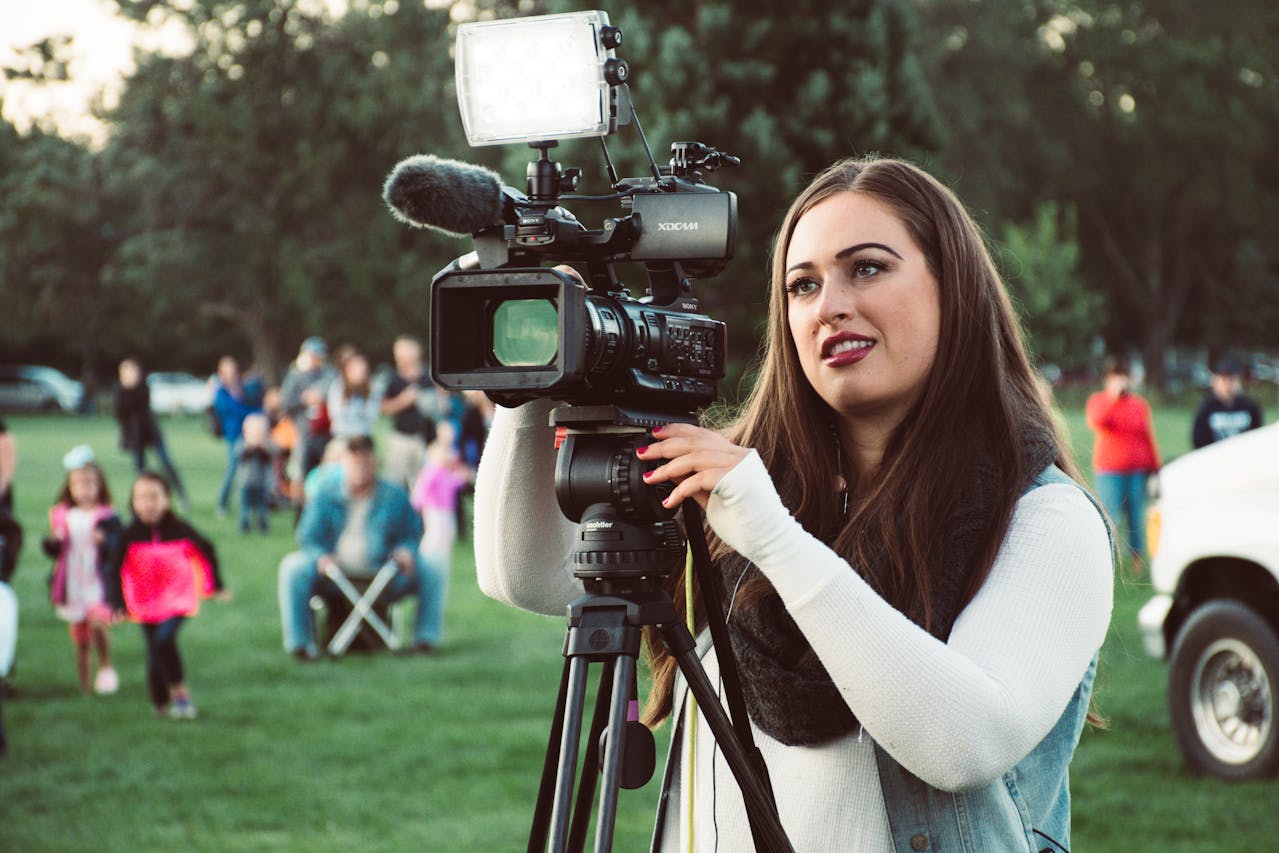

Austin feels like a city that’s always mid-chorus. You hear creativity in the streets and see it in local films. Austin’s music scene shapes indie filmmaking in a way that feels raw, warm, and personal. That influence shows up in pacing, sound choices, and camera movement. It also affects how crews work and how stories get told. If you’ve ever watched an Austin indie film, you may notice the relaxed energy. You might also feel like the city is part of the cast. Let’s learn why that happens. Think of this as a simple guide to creating an Austin-style mood on screen.
Austin’s Music Scene Builds A Filmmaker’s Rhythm
Austin filmmakers treat music like a character, not decoration. That approach matters when selecting the right instruments for your score, where each instrument choice shapes how a scene lands emotionally. Instead of huge orchestral swells, Austin indie films often use smaller sounds. You’ll hear guitar, light drums, and soft synth textures. These sounds feel intimate and human. Live music teaches timing in a way tutorials can’t. When you watch bands play, you learn pacing through emotion. That rhythm carries into Austin indie film edits. Scenes often move like a setlist. A strong opener hooks attention. A quieter middle gives meaning. A final moment leaves a mark. You can plan your film the same way. Start with a visual hook, like a close-up or bold sound cue. Then let the story breathe. Keep cuts steady when the mood is calm. Speed them up during tension or movement. Watch your scenes with eyes closed.
How DIY Venues Inspire DIY Film Style
Austin’s music scene and venues reward scrappy creativity. That same mindset shapes local film production. Many indie teams stay small and flexible. One person might handle lights, sound, and quick fixes. This creates a fast, natural workflow. It also affects the final look. You’ll often see handheld shots and real locations. That gives films a lived-in texture. It can feel like you’re standing in the room. If you want this style, don’t overbuild your setup. Choose locations that already look interesting. Use practical light sources like lamps and neon signs. Let imperfections show when they add realism. You can also simplify your shot list. Pick fewer angles but stronger ones. Focus on faces, hands, and small movements. These details feel personal. Austin indie films often win viewers with honesty, not expensive visuals.
Mastering Video Production Techniques With An Austin Edge
Austin indie films look relaxed, yet they stay sharp where it counts. Before mastering video production techniques, you need to focus on strong basics because simple skills create big improvements. Start with clean audio. Use an external mic if you can. Even a small one helps. Next, stabilize your camera when needed. Handheld works best when it’s intentional. For lighting, choose soft sources whenever possible. Window light can look beautiful in Austin homes and cafés. Frame your subject with breathing room. Avoid cluttered backgrounds that distract. Then set the exposure carefully so skin tones look natural. Also, watch your white balance, which controls color warmth. If your scene looks too orange or blue, it feels off. These small choices keep your “raw” style watchable. You get indie charm without looking messy.
Gear Travel Tips For Fast Shoots
Austin shoots often happen across multiple spots in one day. You might film at a studio, then grab street footage at night. That pace calls for smart packing and a system you can trust. Think in layers, padding, and quick access. If you already know the basics of preparing delicate items for the move, you can apply the same logic to lenses and gear when trying to figure out how to pack fragile items safely for your Austin move. Wrap lenses in soft cloth or padded sleeves. Store batteries in separate cases to prevent contact. Label memory cards so you never guess under pressure. Keep a small “emergency pouch” for fast fixes, like gaffer tape, spare cables, and a mini light. Use a hard case for anything fragile. Place your most-used items on top for faster resets. When your kit stays organized, you move more smoothly and shoot with less stress.
Street Sound Makes Scenes Feel Real
Austin has a natural soundtrack that filmmakers love. You hear traffic, laughter, and live music drifting from patios. Many indie films use that sound instead of covering everything with a score. This choice makes scenes feel honest. You can copy this by recording ambient sound at each location. Capture one minute of “room tone.” That means the natural sound of the space with no talking. Room tone helps smooth edits later. It also keeps your scene grounded. Then layer music only when it adds meaning. A soft guitar line can lift emotion. A quiet pause can build tension. If you let the city sound breathe, your film feels alive. This is one reason Austin indie films feel immersive. They don’t push too hard. They let you step into the moment and stay there.
Capturing Your Moving Journey for Social Media Without Feeling Overexposed
Many Austin filmmakers build interest online while projects are still in progress. This is smart, but it needs balance. It is possible to capture your moving journey for social media without feeling overexposed, sharing without giving away too much. Post behind-the-scenes clips that highlight the work, not your private life. Show location scouting, lighting tests, or sound checks. Share short rehearsal moments or prop details. Keep faces optional if people want privacy. Blur street signs or house numbers when needed. Use captions that tell a story in one sentence. This keeps posts clear and easy to watch. It also builds curiosity without spoilers. Social content should feel like a teaser, not a diary. When you share with purpose, you grow an audience while staying comfortable. That helps your film reach viewers long before release day.
Conclusion: How Austin’s Music Scene Shapes Its Indie Filmmaking Aesthetic
Austin indie films feel musical because the city itself moves like a song. Austin’s music scene drives that style through rhythm, sound, and creative choices. You see it in handheld shots, warm lighting, and personal storytelling. You hear it in simple scores and rich street ambience. It is possible to bring this aesthetic into your own work without a huge budget. Focus on emotion, timing, and honest details. Use sound like a story tool, not filler. Keep your production flexible and your visuals intentional. When you plan with rhythm in mind, your scenes feel smoother and more alive. Most of all, let your environment shape your choices.