
From Set to Screen: How Remote Collaboration is Reshaping Film
Adapting to the Film Industry’s Ongoing Evolution

Filmmaking has always been a collaborative endeavor. Traditionally, people with different talents have come together on location, on set, or in studio to transform pages of text and storyboard sketches into an immersive audio-visual experience.
Over the last few years, technological advances have started reshaping the film industry by enabling remote collaboration.
This approach allows us to take filmmaking out of the studio in ways that weren’t possible in the past and adopt innovative approaches. While this does mean rethinking workflows, it allows for much greater flexibility.
We now have opportunities to work with talent we might never have encountered if we had stuck to the traditional approach.
Here, we take a closer look at how remote collaboration is shaking up filmmaking, its benefits, and what the future might hold.
The Rise of Remote Collaboration in Filmmaking
In the past, effective communication between those involved in filmmaking and production and good quality outputs relied on collaboration on location and in the studio. However, this has changed as technology has better enabled remote work and the demand for more flexibility at work has grown.
Technology Enables Remote Collaboration
Remote collaboration in the film industry would be impossible without technology. Video conferencing tools and platforms such as Microsoft Teams and Zoom mean meetings are no longer confined to meeting rooms, while Slack, Trello, and other platforms offer streamlined project management and communication. Thanks to other tools, filmmaking and production teams can provide instant feedback.
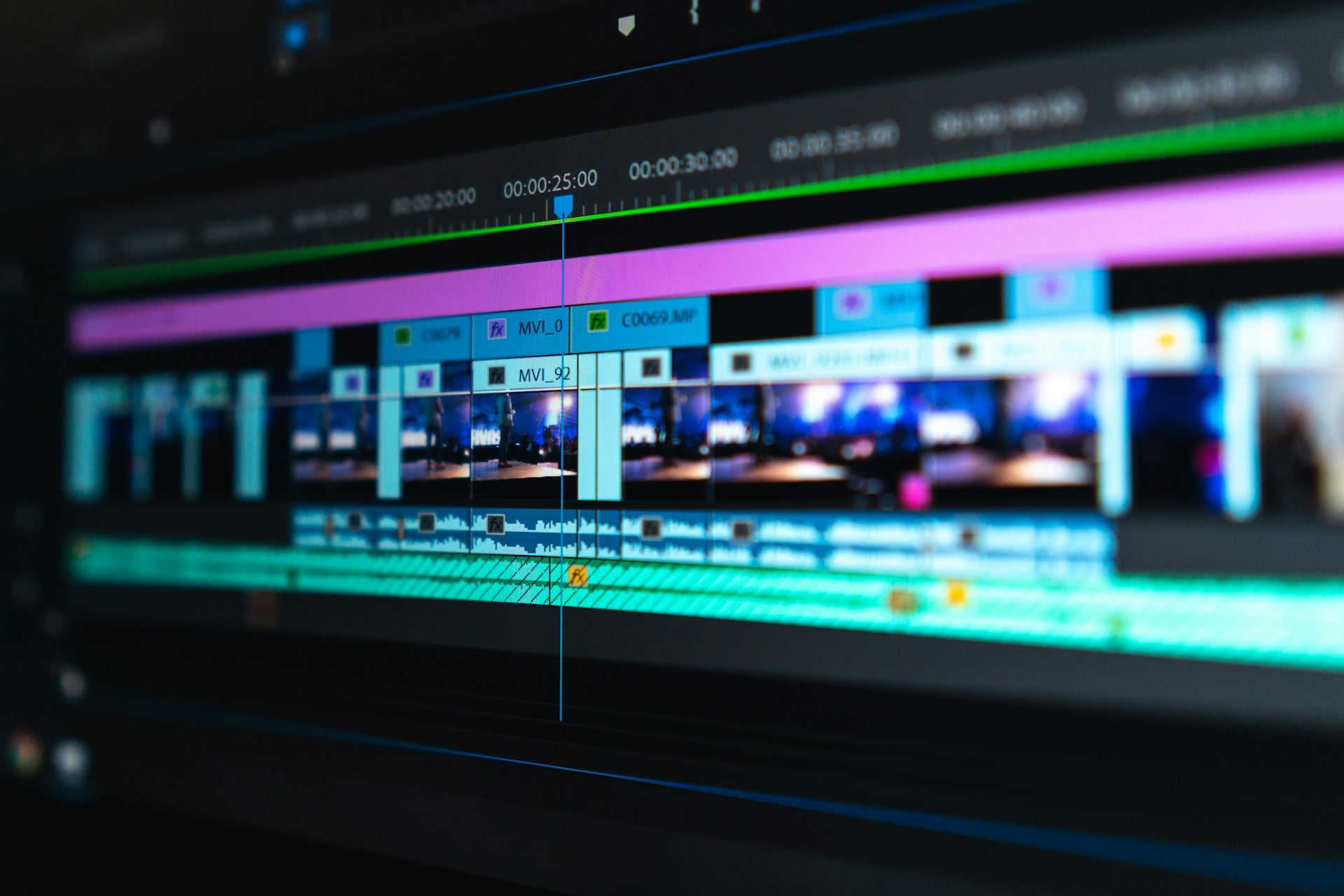
You can take advantage of cloud computing and high-speed internet to store and share large media files securely. Colorists, designers, and editors in different locations can work on the same files by using solutions such as Adobe Creative Cloud and DaVinci Resolve.
In addition to making remote collaboration possible, these and other technologies also help increase productivity while reducing or preventing delays.
Changes in Work Culture
Technology isn’t the only factor that has led to remote collaboration and its transforming impact on film. Remote work has become a vital part of modern work environments, offering incredible potential for acquiring and retaining talent.
You can hire individuals and teams from different geographical areas, bringing in different perspectives, skills, and talents that can contribute to creating a film that probably would’ve been very different if made the traditional way. These changes in work culture also offer greater autonomy, flexibility, and work-life balance.
Access to a Global Talent Pool
We mentioned above that collaborating remotely allows film companies to work with a team from around the world. Instead of being limited to hiring individuals from specific areas, they can hire talent from different states or countries.
This approach could lead to a US-based production team working with an Australian editor, a European sound designer, an Asian visual effects artist, and a South African sound designer on the same project. This can enhance the filmmaking process and make the content more appealing to audiences worldwide while encouraging more diverse and inclusive storytelling through creating deeper, more authentic narratives.
Benefits of Remote Collaboration in Filmmaking
We touched on some of the benefits above. Now, let’s explore them in more detail.
Better Flexibility and Responsiveness
One of the benefits of collaborating with remote team members is being able to respond to changes during the filming and production processes. Anyone who has worked on films knows how quickly project requirements can change, how tight deadlines can be, and how changes must be made at the last minute.
By taking advantage of technology that enables collaboration, team members in different locations can respond immediately. This means that you don’t need to worry about wasting time by trying to coordinate with team members or commuting between locations.
Reduced Costs
Cost savings are another benefit. While traditional methods require significant sums of money to pay for studio rent, travel, and accommodation, working remotely can reduce or eliminate these costs.
This allows you to spend more money on talent, good quality equipment, and post-production. You can also take on bigger, more ambitious projects without needing more substantial funding.
Enhanced Work-Life Balance
Traditionally, making a high-quality film involves burning the candle at both ends. Work hours are long and demanding, and it’s not uncommon for at least some of those involved to experience burnout.
Collaborating remotely changes this by offering you the flexibility you need to balance your professional and personal life. In addition to boosting productivity, morale, and job satisfaction, this can also help video production companies retain skilled employees.
The Future of Remote Collaboration in Filmmaking
Remote collaboration has proven to have much to offer the film industry, so it’s not likely to fade away any time soon. Instead, it will continue to reshape the industry, paving the way to an exciting future.
We expect to see a hybrid model that blends in-studio and remote work become the norm. While some roles are likely to still require workers to be on-site, others, such as visual effects or sound design, can be fulfilled remotely for a more balanced production setup.
Technology will continue to advance, developing more industry-specific tools aimed at enhancing production processes while making collaborating remotely smoother and easier. Video conference setups will remain integral, but advanced features like screen sharing, live annotations, and AI-powered transcriptions will further enhance communication, making remote meetings as productive as in-person sessions. AI, AR, and VR are also likely to transform post-production through task automation and enhanced interaction between team members.
However, these developments will require film production companies to step up their training game. You and your team will need continuous training to adapt to these changes, keep up with new technologies, and collaborate effectively.
The Takeaway
Remote collaboration has made the film industry more creative, efficient, and flexible than ever before. You can work with talented people worldwide, adapt to changes faster than ever, and reduce production costs.
While this work style presents challenges regarding communication or technical constraints, the benefits far outweigh these. The secret is not to desire a return to tradition but rather to let tradition inspire you as you embrace the future of filmmaking by investing in powerful digital tools and encouraging a collaborative and flexible work culture.