
How I Light a Fast Interview Day
A simple, repeatable lighting recipe for multi-location interview days in Dallas-Fort Worth
Interview days are won or lost in the first hour. If the lighting plan is simple and repeatable, you spend the rest of the day on the thing the client actually came for: the person in the chair. Here is how I approach it as a director of photography and gaffer in Dallas-Fort Worth.
Start with one big soft key
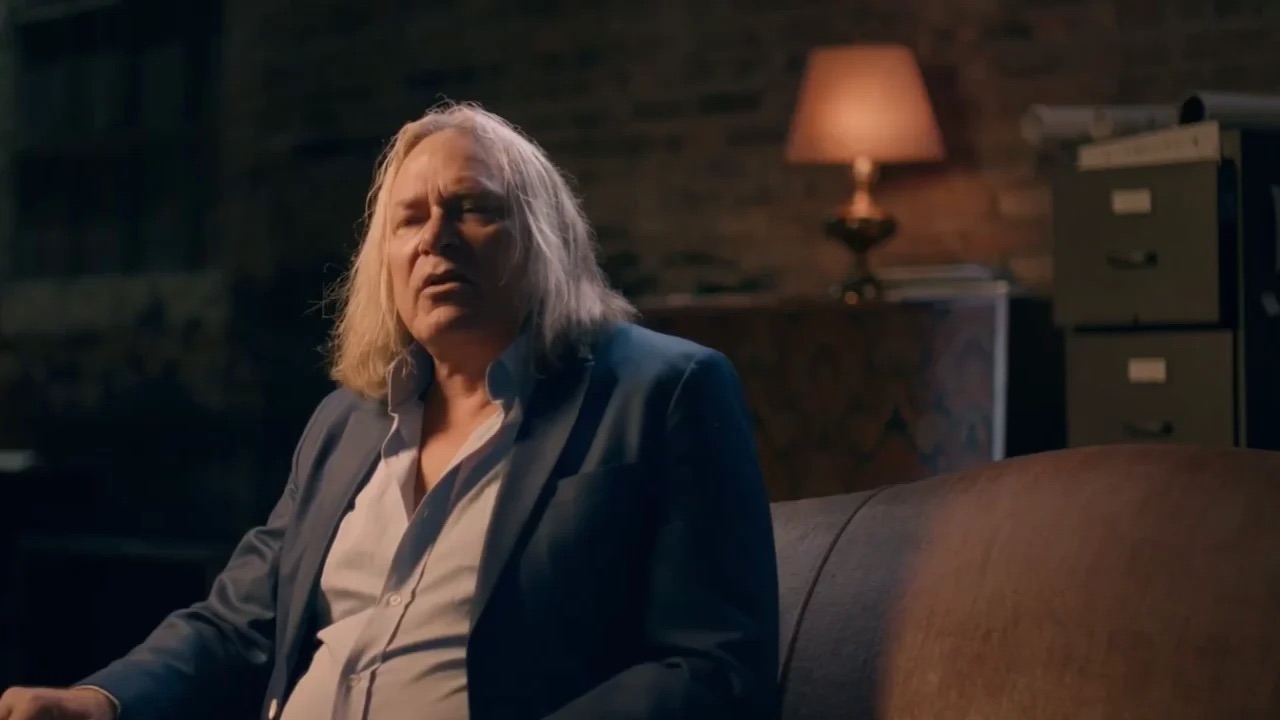
My default is a large soft source, something like a big octa, placed close to the subject and slightly off the lens axis. Size and distance do the work. A large source near the face wraps gently, flatters skin and keeps shadows from turning harsh. It also forgives small movements. Nervous first-time interviewees shift in their seats, and a big soft key lets them move without falling out of the light.
I pick a key side that suits the room, usually the side with more open space behind the subject, so the shadow side falls toward depth instead of a blank wall. Then I set exposure from the key and build everything else around it.
Keep the fill gentle
Fill should be felt, not seen. I would rather leave a little shadow on the face than flatten it. A bounce card or a low-level soft source on the opposite side is usually enough. If the shadow side looks muddy on the monitor, I raise the fill slightly. If the face looks flat, I take it away. Small moves, checked on the monitor.
Add a subtle edge or hair light
A faint hair or edge light separates the subject from the background and gives the frame some dimension. The key word is subtle. If you notice it right away, it is too strong. I place it behind and to the side, flag it off the lens and bring it up only until the shoulder or hair picks up a thin line of light. In a room with a light wall behind the subject, I may skip it entirely.
Match the look across locations
When one project has several interviews in different rooms, the audience should feel one visual world. I do this by repeating the same recipe everywhere: the same key size, roughly the same key-to-fill balance, the same lens and camera height, the same white balance approach. The rooms will differ, so I adjust distance and angle, but the face looks the same from one setup to the next.
I lit a four-day corporate interview series in September 2026 across San Antonio, Dallas and Austin. Three cities, different spaces, ten-hour days, and a large soft key look carried through all of it. Keeping that one recipe is what let the footage cut together without a lot of correction later.
Scout fast
You rarely get a long scout on these jobs. I look at three things: where the subject can sit with some distance from the back wall, where I can put the key without fighting windows, and where the power is. Then I decide what to do about daylight. Either I control it with flags and diffusion or I place the subject so it works with the setup. Photos from the producer help, but a quick walkthrough with the client contact before the first interview saves far more time than any amount of guessing.
Keep the setups moving on a 10-hour day
Speed comes from habits, not rushing:
- Build the lights while the crew finishes camera, so lighting never waits.
- Keep a standard kit order on the cart so nothing gets hunted for.
- Mark stand positions with tape so a re-set between interviews is quick.
- Do a lens and light check with a stand-in before the talent arrives.
- Leave the lights alone once the first interview is rolling unless something is wrong.
When the day is long, small delays stack up. The less you improvise, the more room you have for the unexpected.
Traveling between cities
When you shoot in several cities, simplify the kit. Take lights you know well, pack in a consistent order and carry spares for the pieces that would stop the day if they failed: a stand, a cable, a battery. Build a rhythm for load-in and load-out so every location starts the same way.
A fast interview day is not a compromise on quality. It is a plan that makes quality repeatable.
Joey Arcisz is a Dallas-Fort Worth director of photography. See his work at https://www.joeyarcisz.com/dallas-cinematographer