
Why Maryland Is the East Coast’s Sleeper Hit for Cinematic Locations
Underrated location
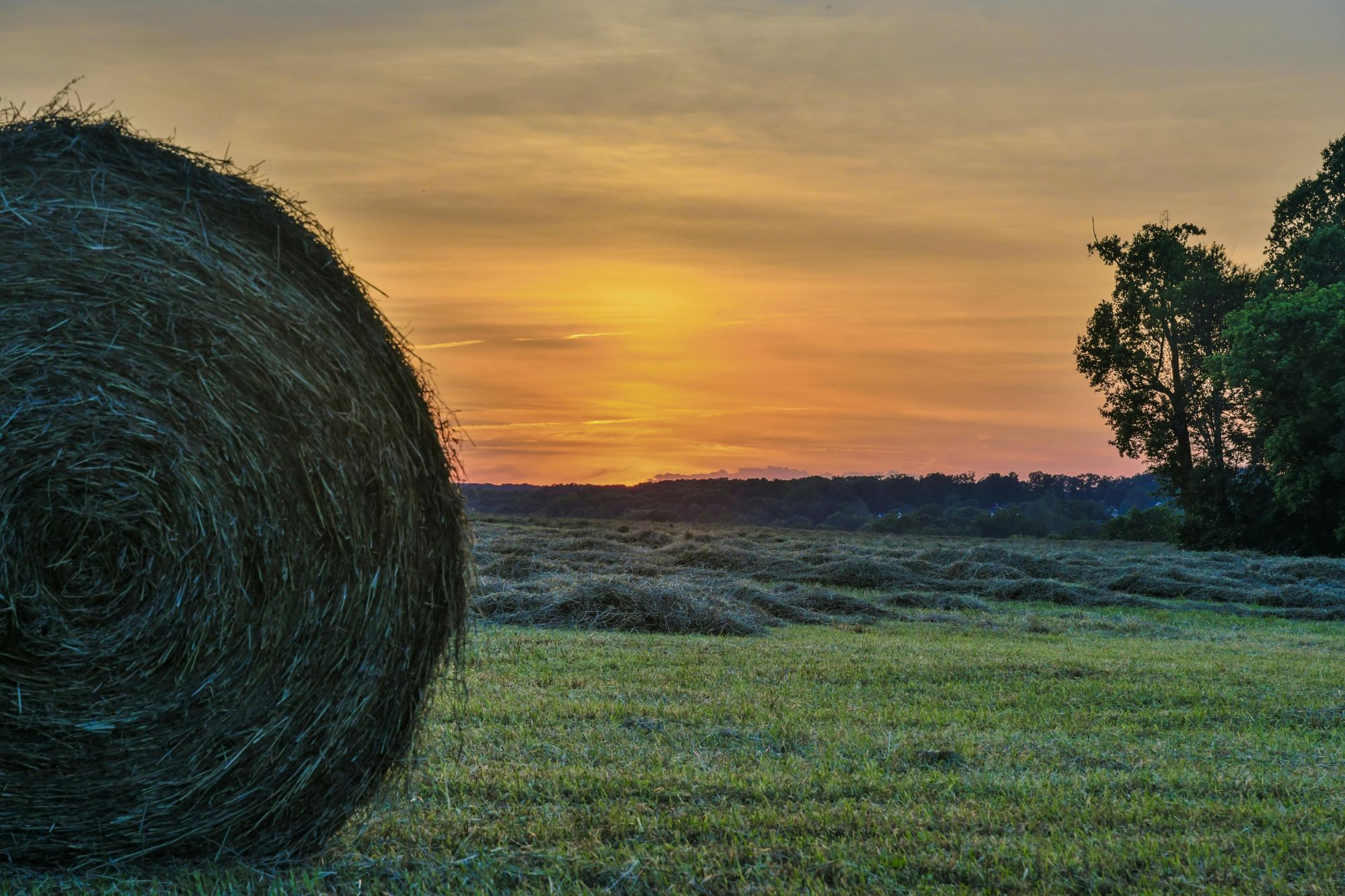

Maryland is the East Coast’s sleeper hit for cinematic locations. This has gone unnoticed by many film professionals. The focus often remains on cities such as New York or Atlanta. Yet, Maryland quietly offers unmatched value for creative teams. With varied scenery and practical advantages, it supports diverse productions efficiently. Filmmakers now begin to take notice of this hidden strength.
Forgotten Film Credits: Maryland’s Under-the-Radar Screen History
Maryland has hosted notable films and series. As a matter of fact, The Blair Witch Project was filmed in rural Maryland woods. This small-budget horror film became a global success. House of Cards, a political drama, was largely filmed in Baltimore. These are only two examples. Not to mention, parts of The Wire and Wedding Crashers were also shot in the state.
Directors often return after their first Maryland experience. They find useful infrastructure and strong local support. Film crews also enjoy being close to different settings. Maryland can stand in for major cities, quiet towns, or forest regions. It also has incredible natural light during most of the day. This flexibility saves both time and money.
Baltimore to the Bay: Maryland’s Range of Film-Ready Backdrops
Maryland’s real strength is its variety. You can find a complete mix of visual options. Baltimore offers urban grit, red-brick buildings, and older neighborhoods. Annapolis provides waterfront charm and historic government buildings. With this in mind, filmmakers can easily switch locations without leaving the state.
Western Maryland includes forests, lakes, and mountain views. Farms and small towns are scattered throughout the center of the state. Another key point, the Chesapeake Bay offers access to wide water scenes, harbors, and coastal life. All of these settings are within driving range, and the golden hour will give you amazing visuals.
Production teams do not need to relocate often. They can plan complex shoot schedules in one region. That simplifies logistics and avoids delays. The state’s size is an advantage for any tight production calendar.
Unexpected Visual Assets: Nature That Tells Its Own Story
Maryland offers more than buildings, streets, and urban spaces. Its outdoor areas also serve as powerful visual elements in film. Many crews have used the state’s rural zones to tell emotional, personal, or historical stories. Forests, rivers, and state parks appear in scenes that require space, silence, or natural contrast. These are not generic woods—they are dense, character-rich spaces that carry texture and weight.
Several parks and protected areas are easy to reach from major cities. This makes scheduling simpler. Crews can shoot in both urban and natural settings on the same day. Also, places for nature lovers also double as ready-made sets for survival films, period pieces, or quiet dramas. The light quality in these areas, especially during sunrise and sunset, is a visual bonus. Many scenes shot there require no filters or artificial lighting. Locations in Maryland for outdoor enthusiasts have found new purpose in recent film projects. Hiking trails, riverbanks, and wide meadows now feature in both scripted scenes and documentaries. Directors value the controlled access, clear permits, and scenic value. In short, these areas don’t just serve residents. They serve visual storytelling.
This mix of green space and professional access adds another layer to why Maryland is the East Coast’s sleeper hit for cinematic locations. Productions can go from street to stream in one afternoon. Very few states offer that range within such short travel time.
Fewer Delays, Lower Costs: Maryland’s Film-Friendly Operations
Production budgets stretch further in Maryland. The state offers financial incentives through a film tax credit program. Crews can also move between urban and rural scenes within hours. In contrast, other East Coast states require more travel and lodging.
Besides, Maryland’s permit process is fast and clear. Local authorities often assist directly with logistics. Cities and towns tend to be cooperative, understanding the value of hosting a film crew. This kind of access speeds up every part of the process.
Maryland’s local talent pool is strong. Trained crew members and actors live nearby. This removes the need to fly in professionals from other cities. That cuts costs and builds local connections.
Real People, Real Stories: Local Culture Adds Weight to Scenes
Filmmakers gain more than good scenery in Maryland. They also benefit from a deep cultural base. Black communities in Baltimore and beyond carry historical significance. European immigrant towns hold preserved 19th-century buildings. Civil war battlefields remain untouched.
As an illustration, stories set in the 1960s or 1970s can be filmed in towns that still hold that look. There’s no need to build expensive sets. Similarly, the food, speech, and customs in the state add realism to modern scripts. Few places offer so much authenticity across time periods.
Maryland also allows stories that center on the community. With a small-town feel in many areas, local residents often participate in production. This leads to more honest portrayals and a better end result.
Hidden Strengths: Maryland’s Growing Film Infrastructure
Maryland’s film support services are advanced. The Maryland Film Office offers location scouting, crew lists, and production support. Baltimore and Silver Spring house have sound stages and studios. Editing houses and equipment rental companies are also available.
Nevertheless, many producers still overlook these benefits. They assume that Maryland lacks what larger hubs offer. This is far from accurate. Student film programs at universities produce skilled workers each year. Many join projects right away. The pipeline between education and production is clear and efficient.
Community support is also strong. With this in mind, more producers find that filming in Maryland brings fewer obstacles. Extras, volunteers, and local staff come forward with enthusiasm.
The Shift Has Started: Maryland’s Growing Popularity Among Filmmakers
The industry is beginning to respond. New streaming series have recently selected Maryland as a main location. Documentaries and thrillers are being shot there more often. In short, the trend is upward.
Film festivals in the region are growing. Awards have gone to films that used Maryland’s settings well. Hence, word is spreading. More producers are requesting Maryland when building their production plans.
Studio development is underway in parts of the state. Regional leaders understand the long-term value of film. They work to support that growth. More shooting zones are being planned. Infrastructure is set to expand, not shrink.
Some directors have even publicly praised Maryland for its ease of use. Faster shoot days and smoother workflows lead to lower costs and higher output. That message is starting to reach major networks and studios.
Looking Ahead: Why Maryland Is the East Coast’s Sleeper Hit for Cinematic Locations
This upward trend is not short-term. Maryland is the East Coast’s sleeper hit for cinematic locations for real and practical reasons. Filmmakers save money and time. They also gain access to a wide set of backdrops, cultures, and architectural periods. That’s rare in a single location.
In contrast to traditional East Coast options, Maryland is quiet, flexible, and efficient. It delivers high-quality production value without high costs. Hence, those who have filmed here once tend to return. It’s not about hype. It’s about what works.